Development of a modular 3D printer target machine
2021-1.1.4-GYORSÍTÓSÁV-2022-00066 | 2023. január 01.
The project presentation
G-MAX Europe Kft. has received a grant of HUF 117,998,560 within the framework of the project called 2021-1.1.4-GYORSÍTÓSÁV announced by the National Research, Development and Innovation Office (NKFIH).
The aim of the call is to support the RDI activities of companies capable of rapid growth and showing significant domestic added value.
During the project, we implemented a modular 3D printing machine that is capable of producing a product with an overall size of 5m x 1m x 1m in one technological step and in one piece. The machine uses fully recycled raw materials, and the products it produces can also be recycled at the end of their life cycle.
Purpose of the investment
The aim of the project is to develop and build a prototype of a modular 3D printer that is suitable for 3D printing products with a total size of 5m x 1m x 1m.
The machine will be capable of working with recycled materials, and the manufactured products will be recyclable.
The project also includes product design, specifically creating 3D designs for products (extremely long products, prototypes, modular product families) that require 3D printing in one step but are currently unresolved.
Project information
| Project ID number: | 2021-1.1.4-GYORSÍTÓSÁV-2022-00066 |
| Project name: | Development of a modular 3D printer target machine |
| Project beneficiary: | G-MAX Europe Ltd. |
| Project support amount: | 117,998,560 HUF |
| Total eligible cost of the project: | 167,940,800 HUF |
| Project implementation: | 2023. 01.01. – 2024.12.31. |
| Project implementation location: | 2112 Veresegyház, Kálmán Imre köz 2/b. |

The project was implemented with the support of the following collaborating organization:
National Research, Development and Innovation Office
Address: 1077 Budapest, Kéthly Anna Square 1.
Email: nkfialap@nkfih.gov.hu
Info line: +36-1-795-9500
Website: www.nkfih.gov.hu
Source: https://nkfih.gov.hu/palyazoknak/nkfi-alap/tamogatott-projektek-gyorsitosav-2021-114
Project launch press release
 G-MAX Europe Kft. has won a grant of HUF 117,998,560 under the 2021-1.1.4-GYORSÍTÓSÁV call for proposals.
The project with a total cost of HUF 167,940,800 is titled “Development of a modular 3D printer”. The aim of the project is to design and prototype a modular and mobile 3D printer with an extra large build table (5m x 1m x 1m), which is currently not available from a separate user site, i.e. neither a 3D printer of this size can be purchased anywhere, nor is a 3D printing service of this size available.
Thanks to the technological features of the planned 3D printer, it will be able to produce products the same size as its workspace. It allows (in contrast to its smaller counterparts) to shape large pieces in a single technological step, thus avoiding the subsequent assembly of complex shapes. An advantage is that the fasteners or components ensuring the connection do not have to be designed separately into the structure. Thanks to this feature, the strength of the structure can also be greatly increased while reducing the production time. The machine, designed to be modular in terms of its structure, can be customized according to different needs following the Lego principle. This way, the machine itself can also function as a product family, since the equipment will be available in different lengths according to the customer's needs and the intended use.
Due to the indicated dimensions, it will be particularly suitable for the production of elongated products, such as water vehicles (kayaks, boats, SUPs, etc.), outdoor furniture, unique products (e.g. bumpers for vintage cars) or unique product lines. The project also aims to develop products and product lines whose production is possible and justified with the implemented 3D printer.
An important aspect and a distinctive advantage during the design process is that the printer is able to work with recycled materials. This means that even previously printed products can be loaded into the machine again after proper preparation and then used to print additional pieces.
By the end of the project, the market will be richer with a high-quality, large-sized, but mobile, modular 3D printer that also works with recycled materials.
The project implementation will start on 01.01.2023 and is scheduled to be completed on 31.12.2024.
Further information is available at:
Dr. Viktor Gotthard, project manager
06-30-205-37-33; viktor.gotthard@g-max.hu
The project course
First 12 months' deliverables (Tasks related to the 1st milestone)
Conceptual design of a modular 3D printer target machine
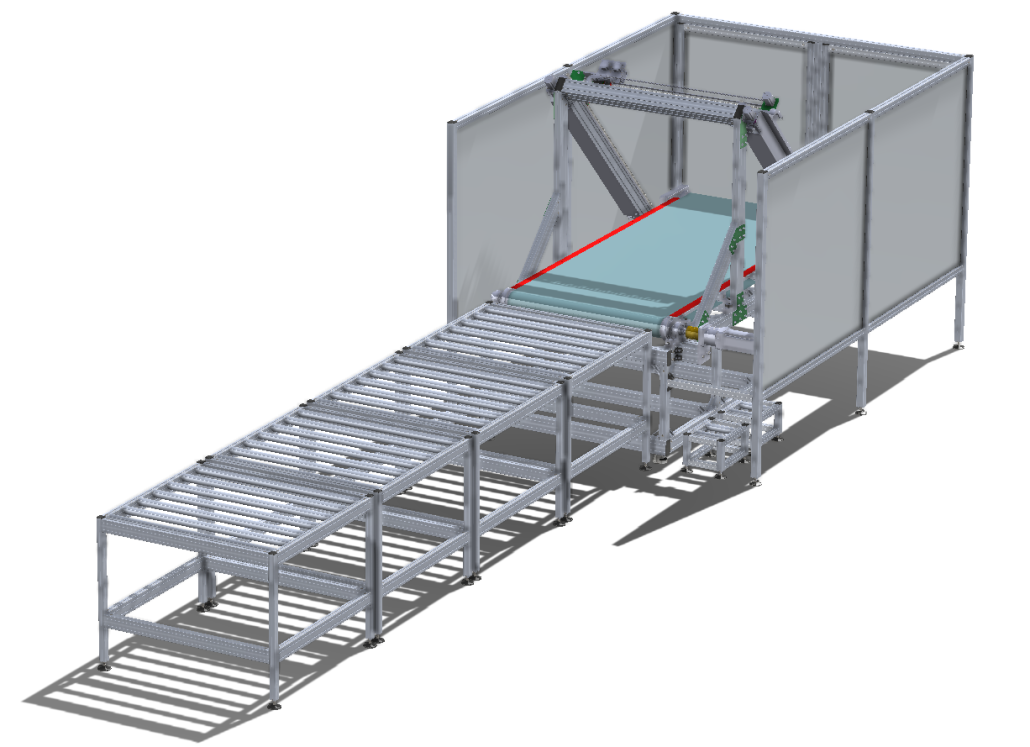
During the first phase (12 months), the conceptual possibilities of the modular 3D printer machine will be developed, i.e., the preliminary design of the equipment. The main steps involve refining the objectives, determining detailed expectations, and defining the characteristics of the machine to be designed. This will be preceded by a general functional structure model based on our preliminary literature and market research, as well as a detailed competitive analysis. Based on these, we will outline the conceptual solution possibilities for the modular 3D printer machine and select the optimal one for the task.
Criteria for manufacturing recyclable products from recycled materials
An in-depth study of polymer technology and 3D printing technology, along with preliminary experiments, will help determine the criteria that our designed equipment must meet to implement technology from recyclable materials. It is also essential that the products manufactured by the machine can be recycled in the future. Therefore, we will precisely define the criteria and requirements related to this.
Definition of modular 3D printed extremely large products and their characteristics
The project will implement a device that already satisfies several market demands by being suitable for 3D printing extremely long products, currently unachievable in a single piece. We will determine the precise details and characteristics of these products both on their own and from the perspective of large-scale 3D printing. Additionally, we will identify other products that can also be produced by the planned machine and solve specific needs, which were not previously formulated due to the lack of suitable technology.
Second 12 months' deliverables (Tasks related to the 2nd milestone)
Prototype of the modular 3D printer
During the second phase, detailed design work will be carried out based on the previously developed concept from the first phase. This includes selecting and integrating commercial items of the equipment, designing custom components, and completing the entire assembly. First, 3D modeling will be performed, followed by 2D manufacturing drawing documentation. Finally, the Equipment Manual will be completed, presenting the structure and operation of the equipment. It will include user, operating, and maintenance guides. Following this, the prototype will be constructed, including procurement, component manufacturing, assembly, commissioning, testing, and trial printing until the equipment is capable of producing the intended finished products.
Verification of suitability for recycled materials
During the second phase, numerous experiments and tests will be conducted with previously identified and determined materials and material variations until the equipment is capable of producing new 3D printed products from recycled materials. Furthermore, through real tests, we will confirm that the processing of products produced by the equipment (e.g., cutting, slicing, shredding, grinding) results in material that, when reintroduced into the equipment, can produce appropriate 3D printed products.
Prototypes of extremely large 3D printed products manufactured by the equipment
In this phase, the 3D design of products defined in the first phase will take place, ensuring that their production can be initiated on the machine at any time. 3D models of extremely large products (up to 5m in length) will be created, which the machine will be capable of manufacturing. The design process will include 3D modeling, adaptation to 3D printing technology, structural optimization, finite element simulations, and strength checks. As a result, at least one unique prototype 3D model and at least one modular product family consisting of a minimum of 5 elements will be completed.
The project closing
The process of making a 3D printer prototype
Implementation phases
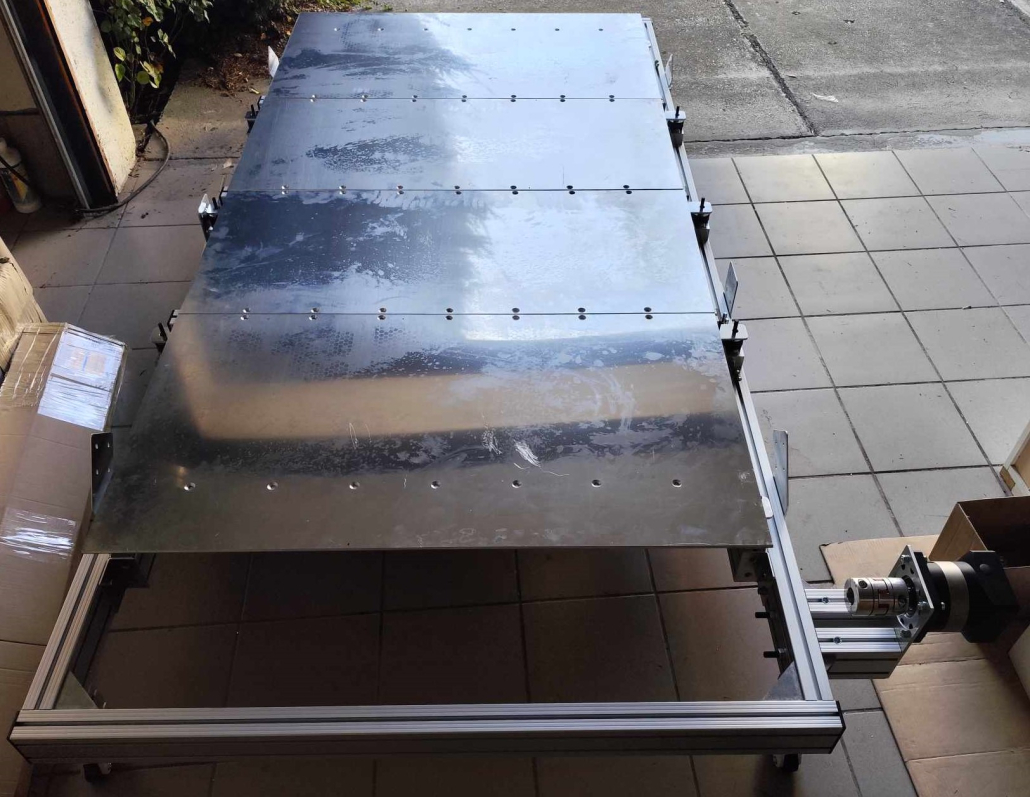
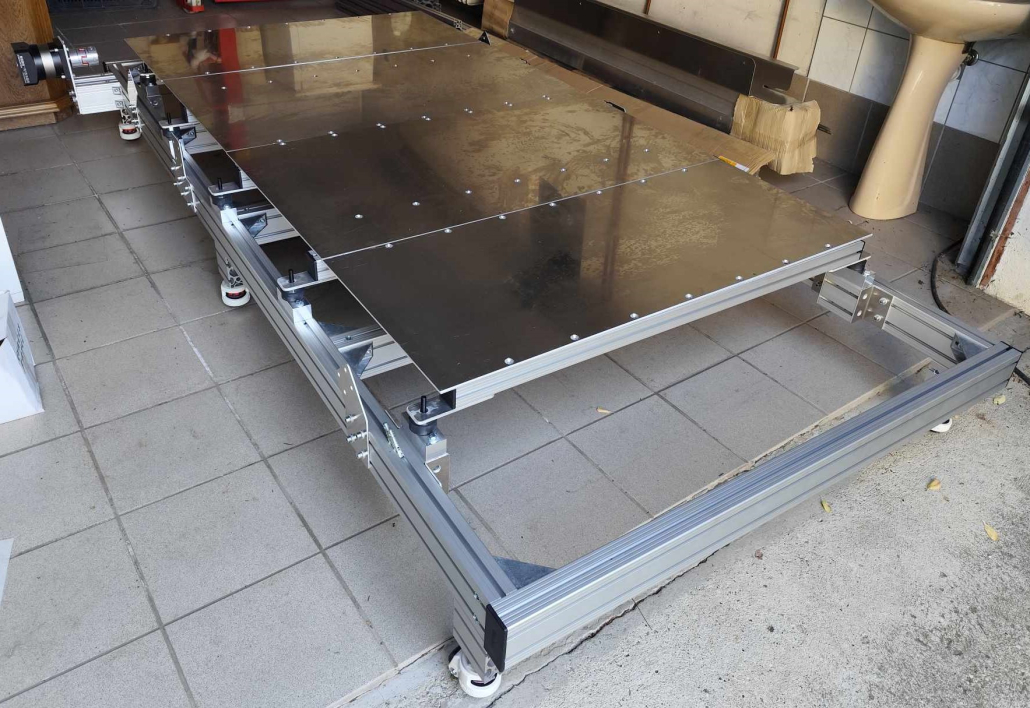
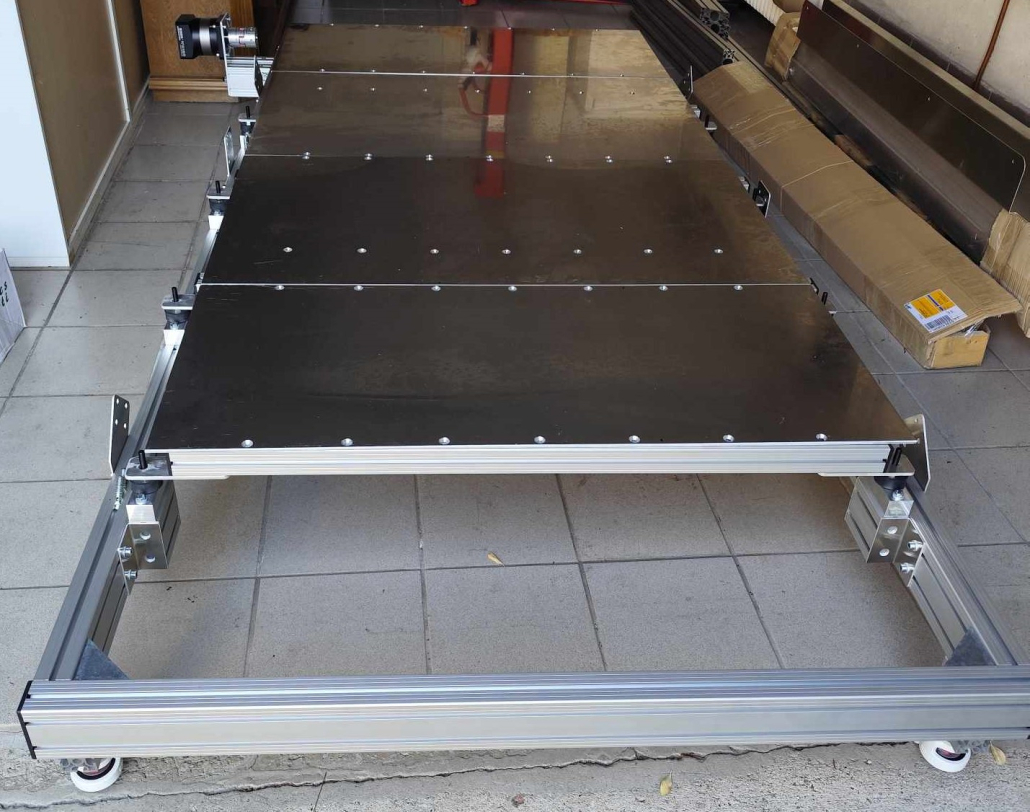
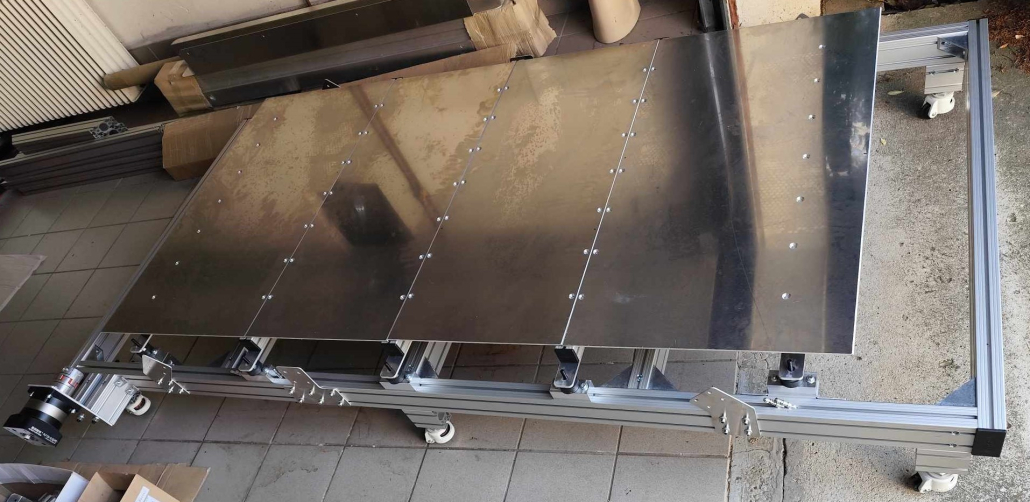
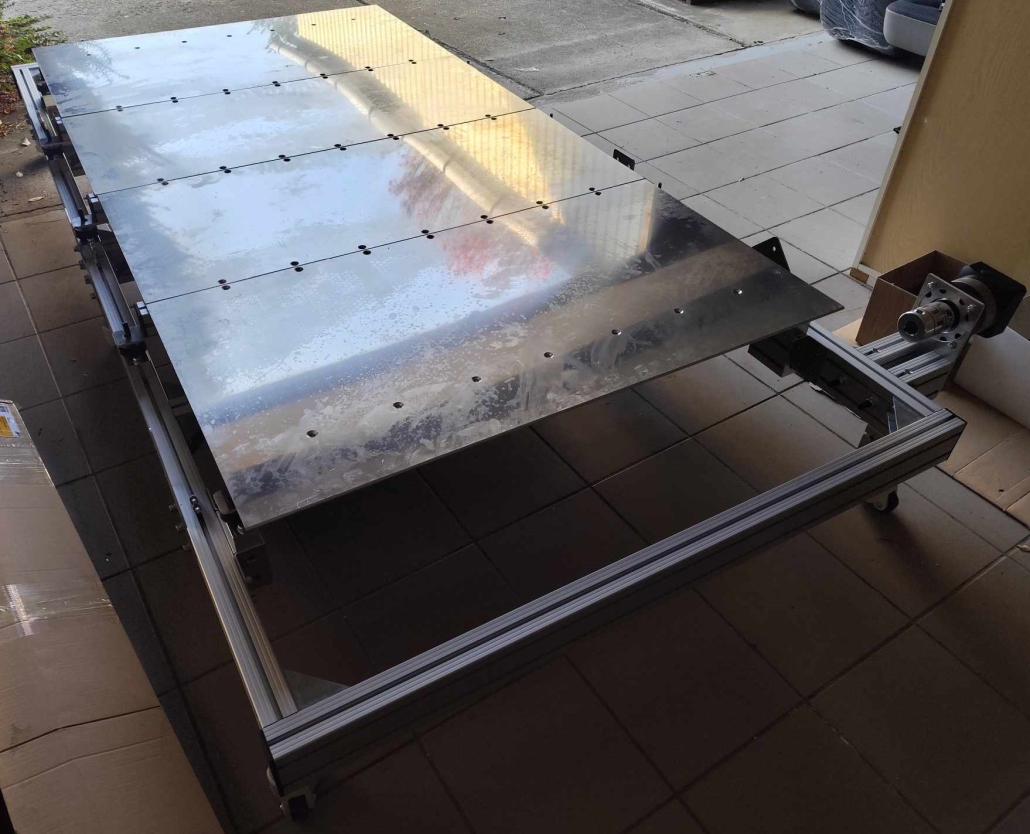
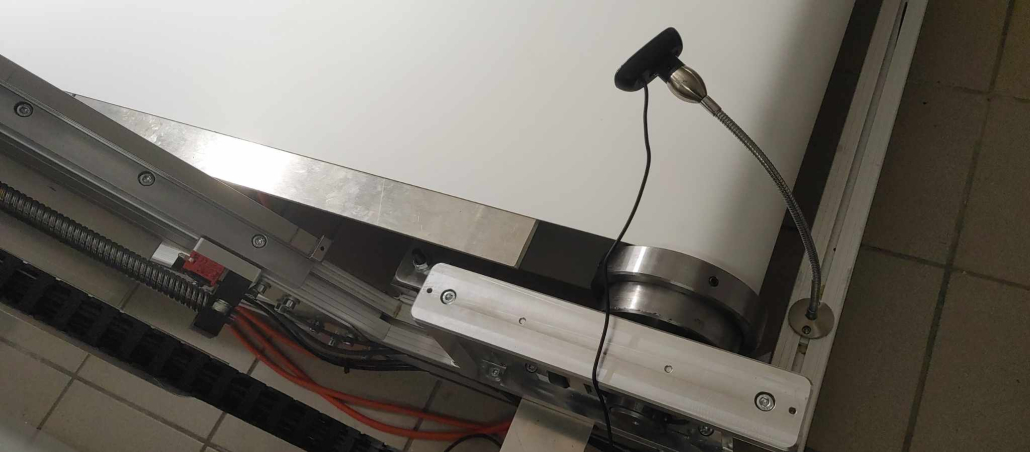
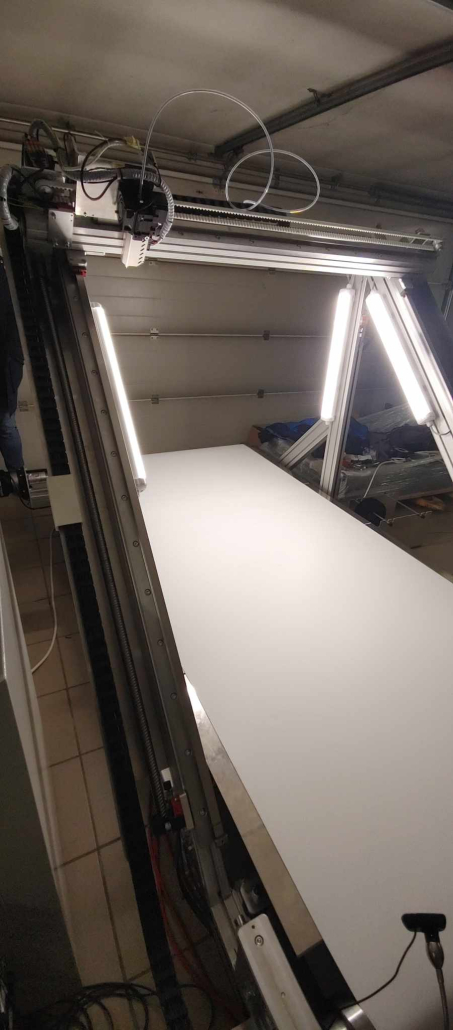
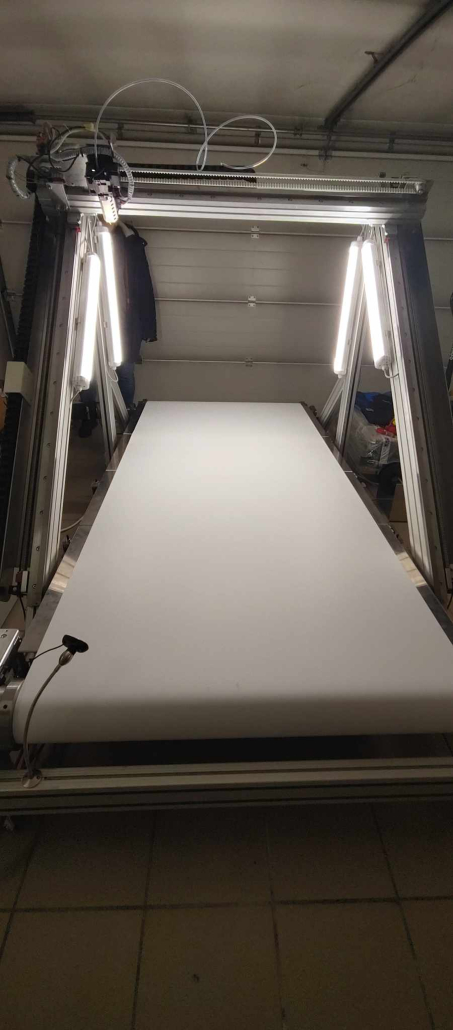
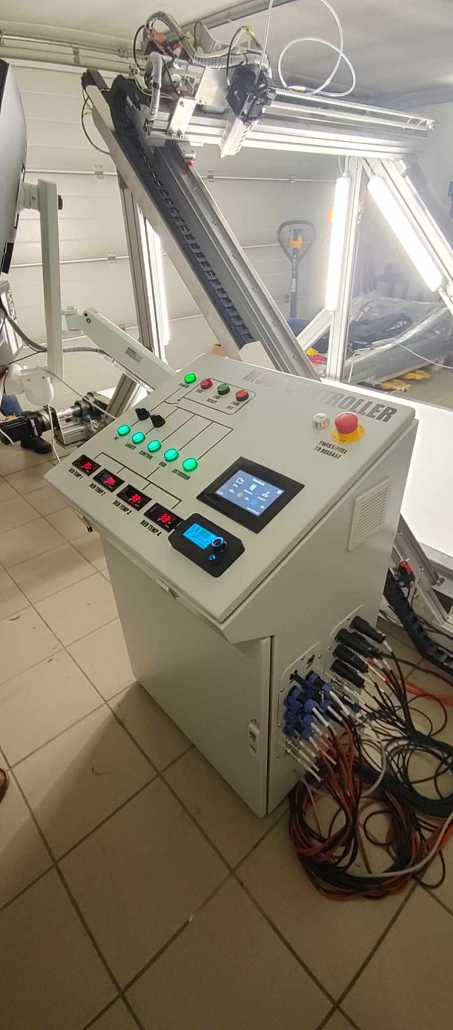
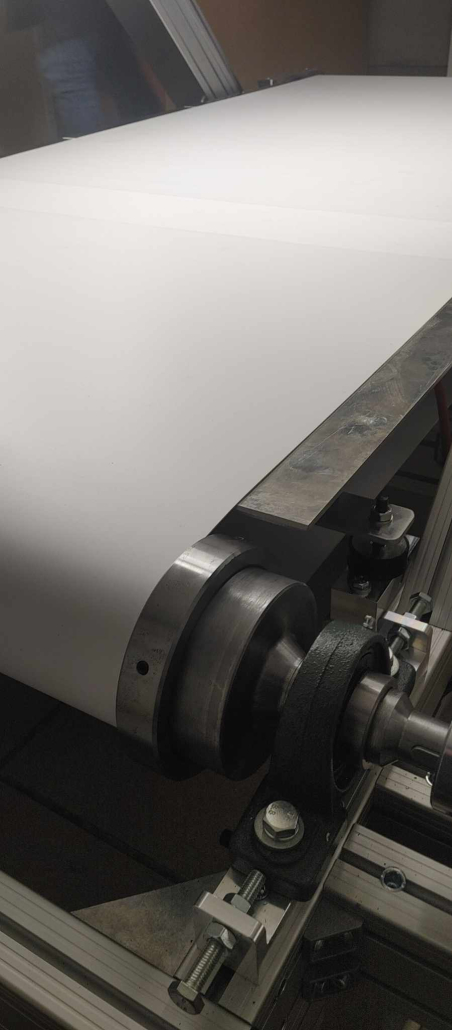
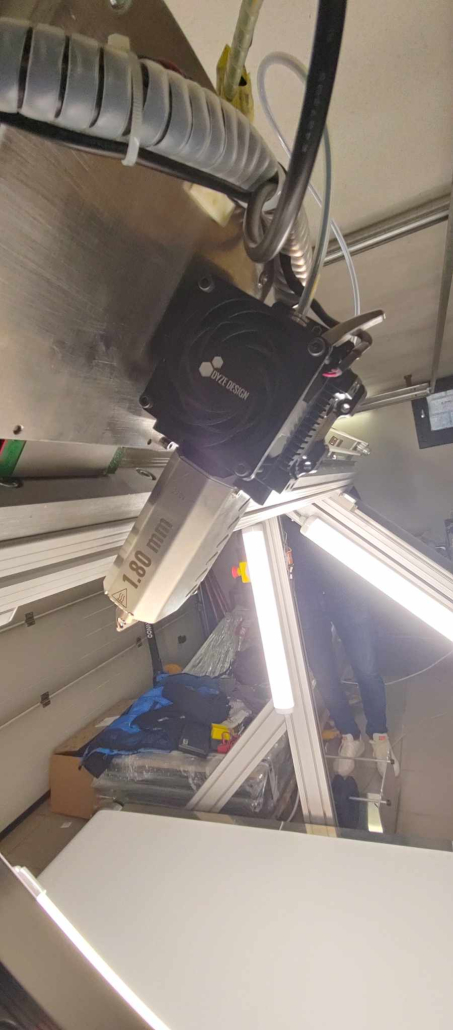
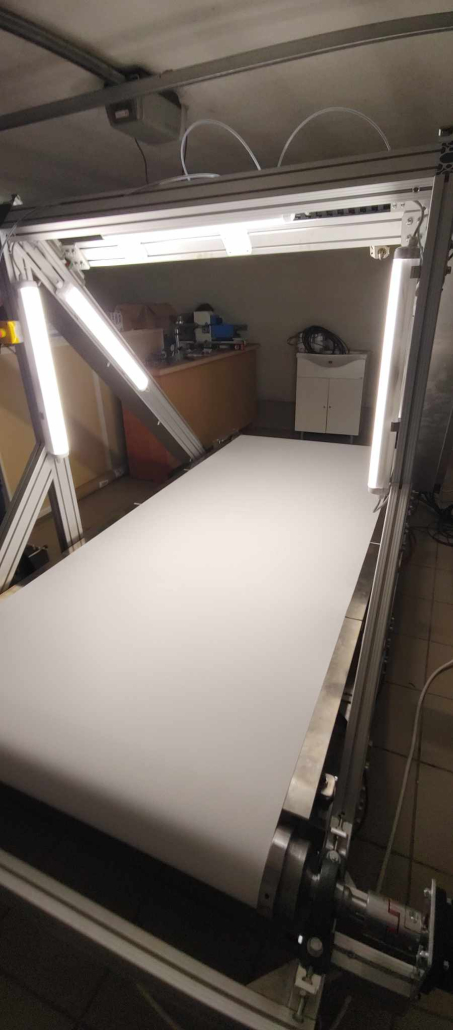
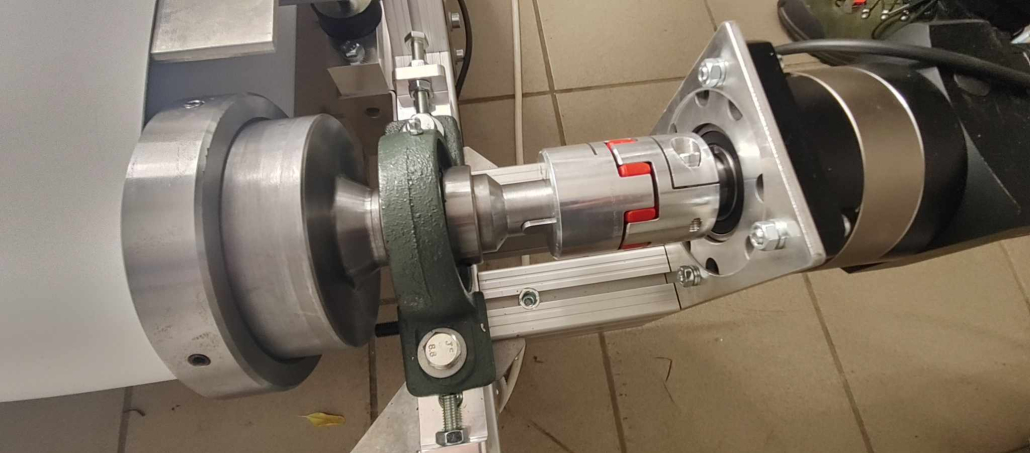
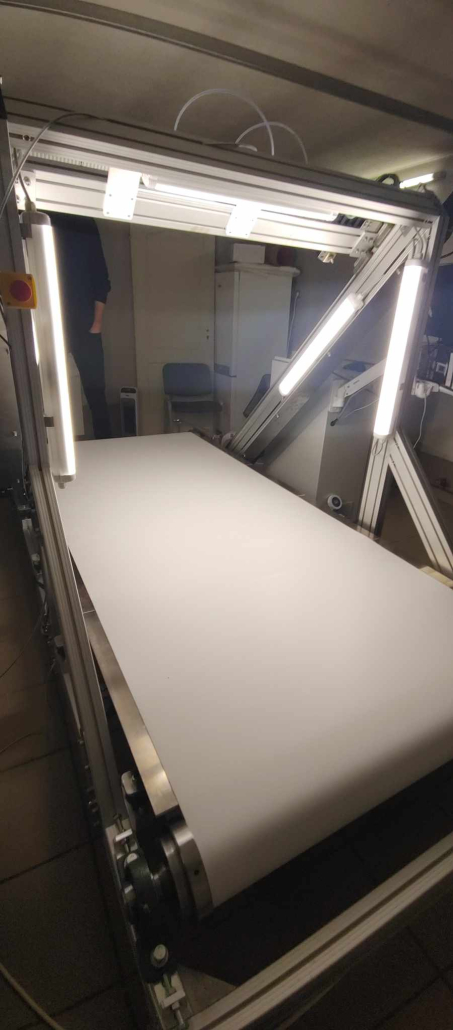
The construction phase of the prototype of the 3D printer target machine began in the fall of 2024, after a thorough planning and preparation period. This period was crucial, as it focused on creating the final form and functionality of the machine. The process can be divided into several stages, which together ensured the successful implementation of the project.
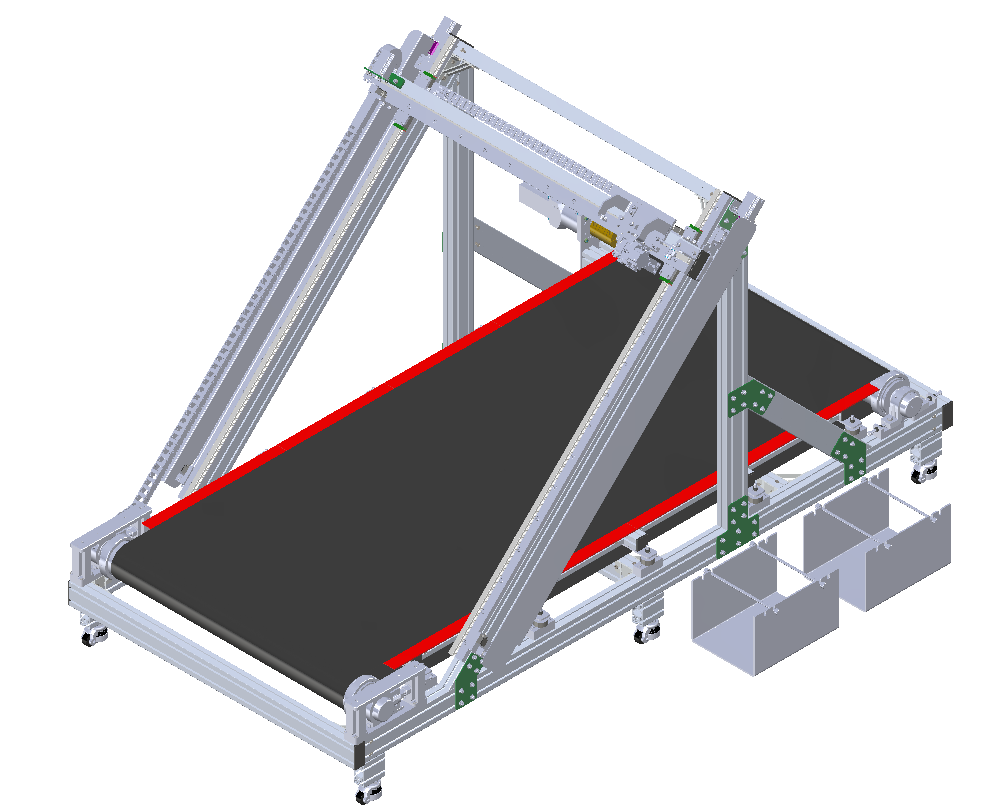
Receiving technical documentation
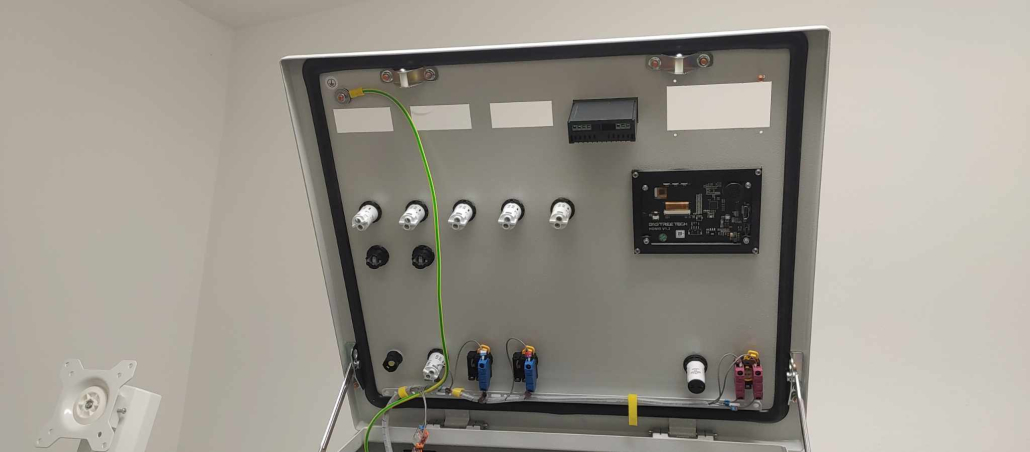
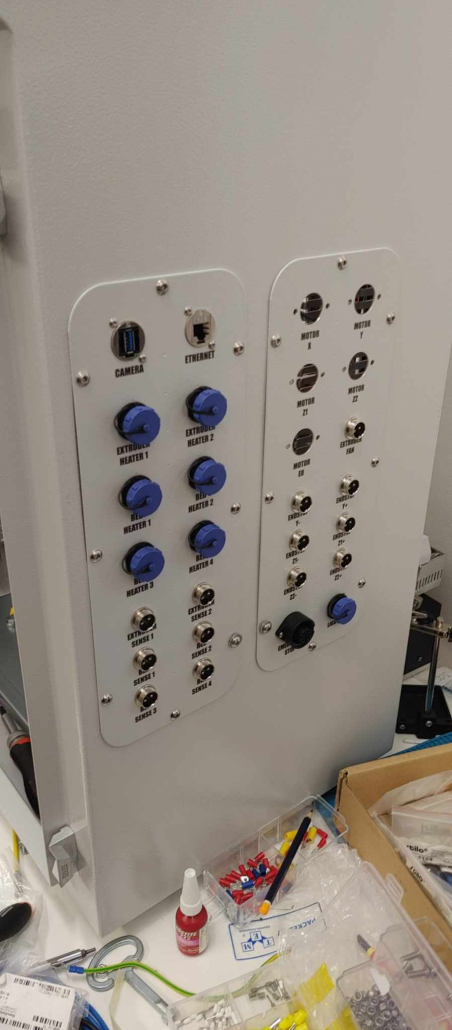
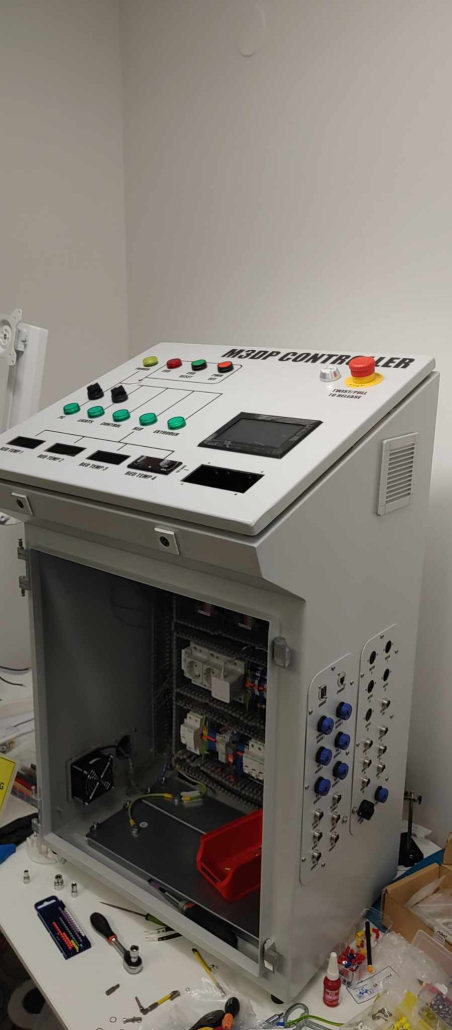
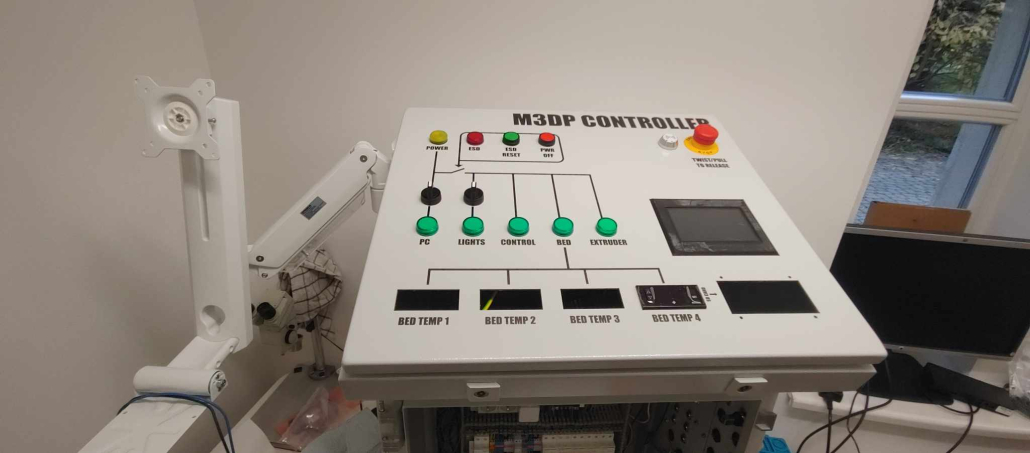
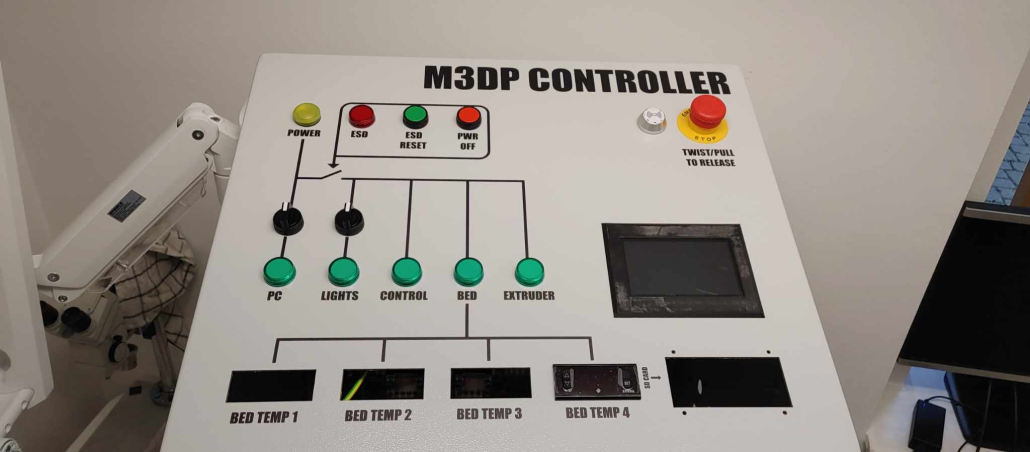
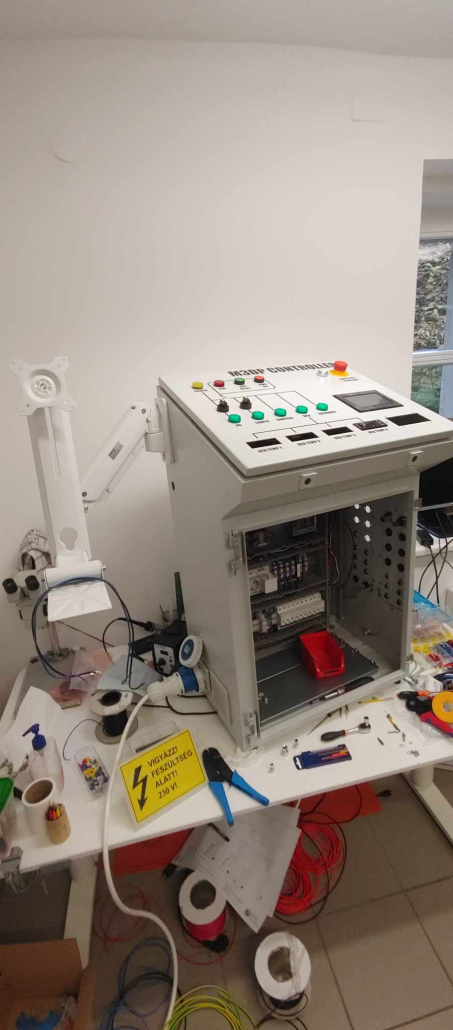
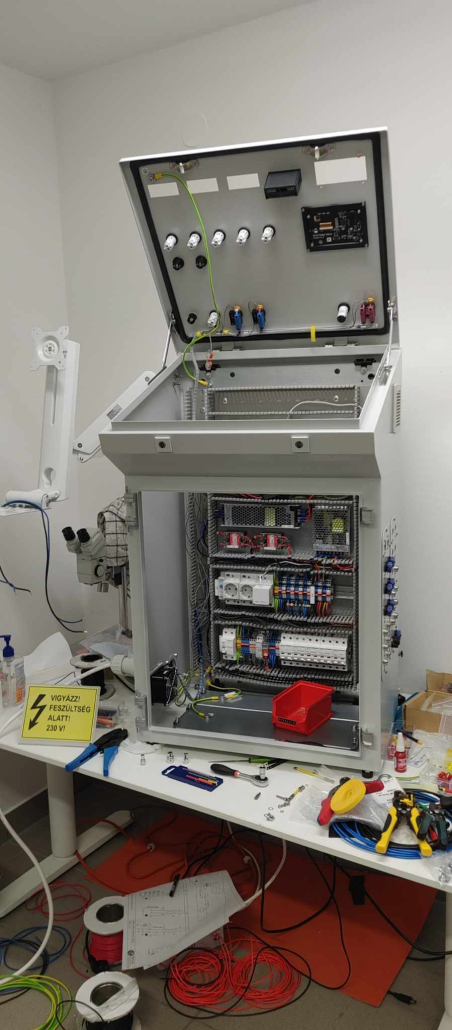
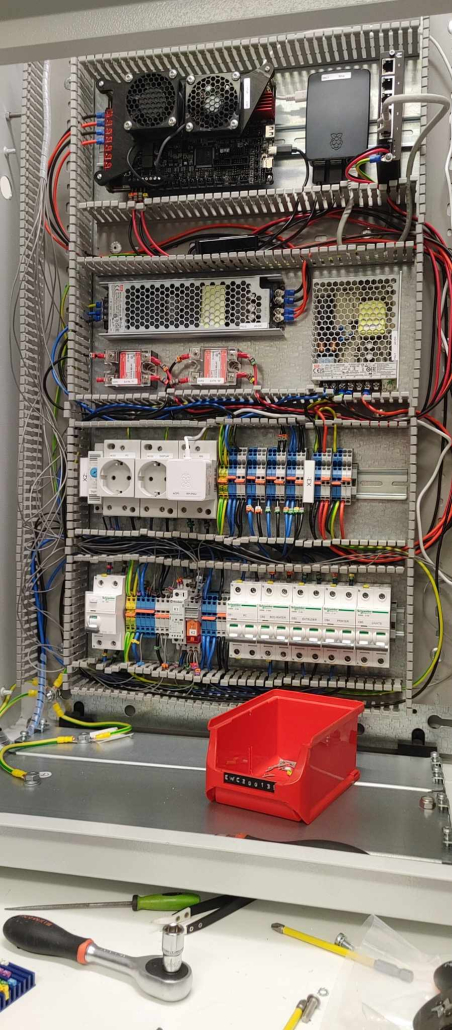
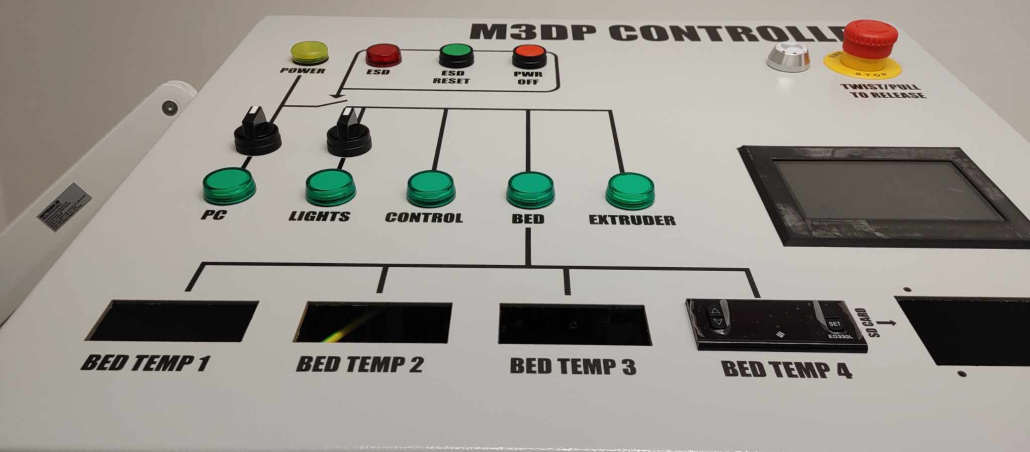
The first step was to receive the final technical documentation. The engineering team worked for months to fine-tune the machine designs to ensure that every detail met industry standards and customer requirements. The documentation included mechanical designs as well as detailed descriptions of the electronics and control system.
After receiving the documentation, the project owner concluded the necessary contracts with suppliers and subcontractors. These contracts ensured the timely availability of various components and services. This step was critical for meeting deadlines, as the project was running on a tight schedule.
Procurement and production of parts
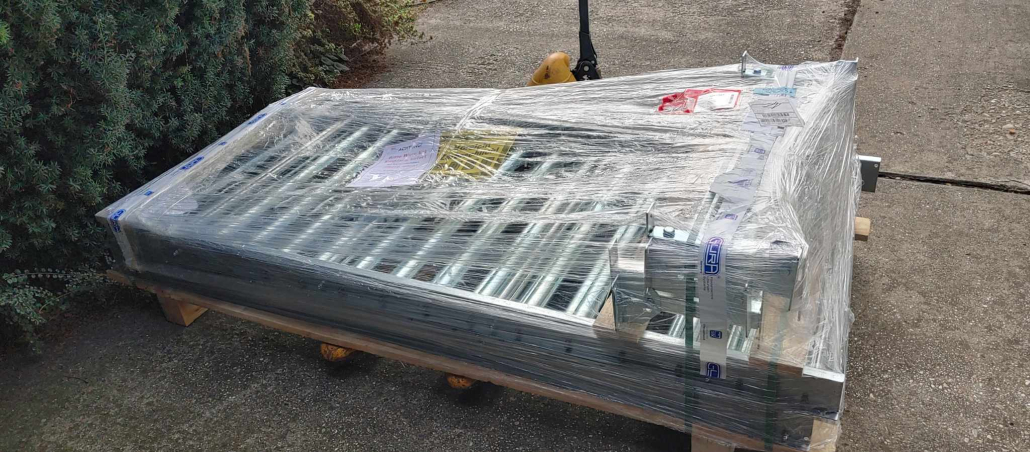
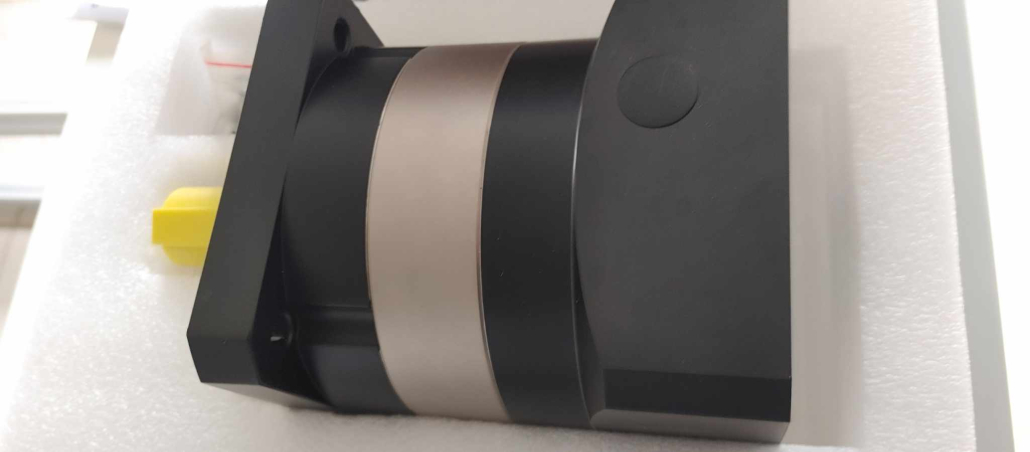
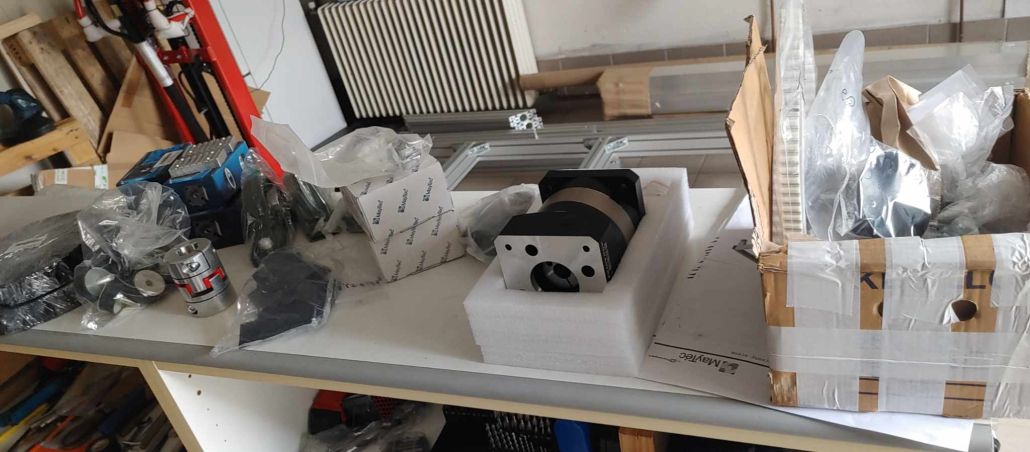
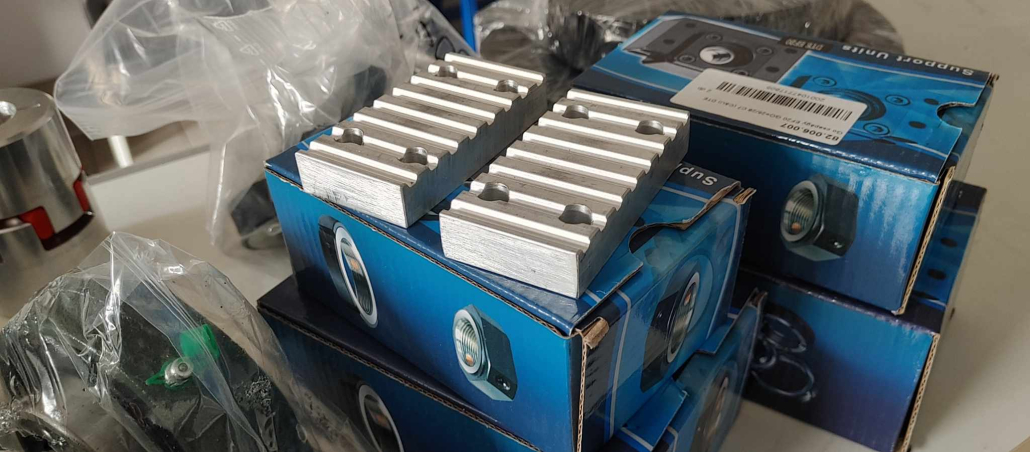
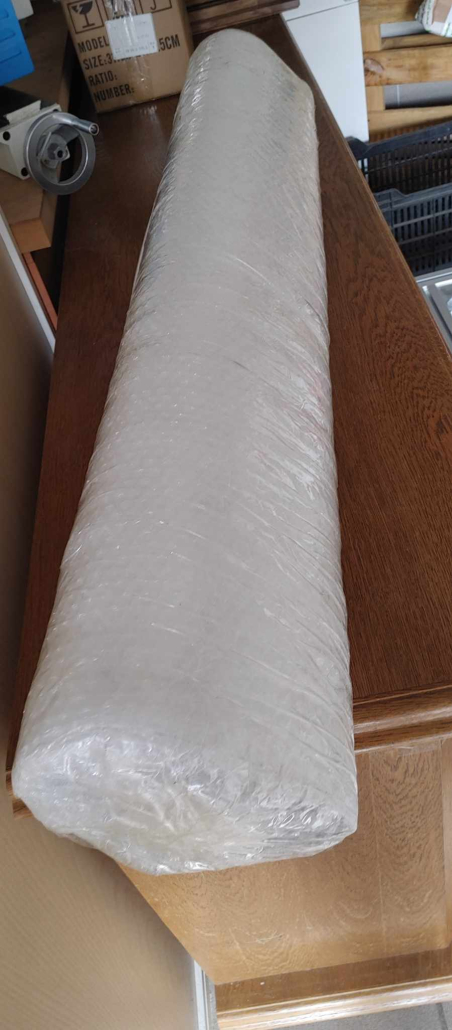
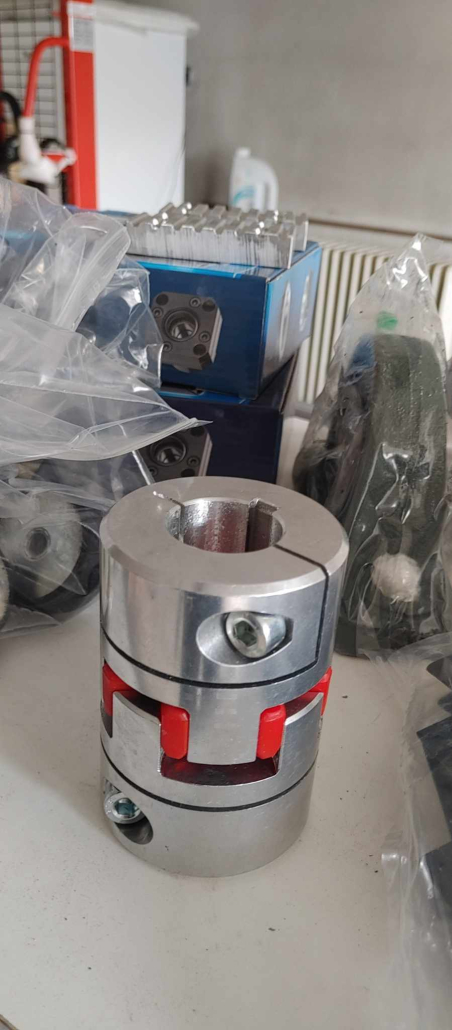
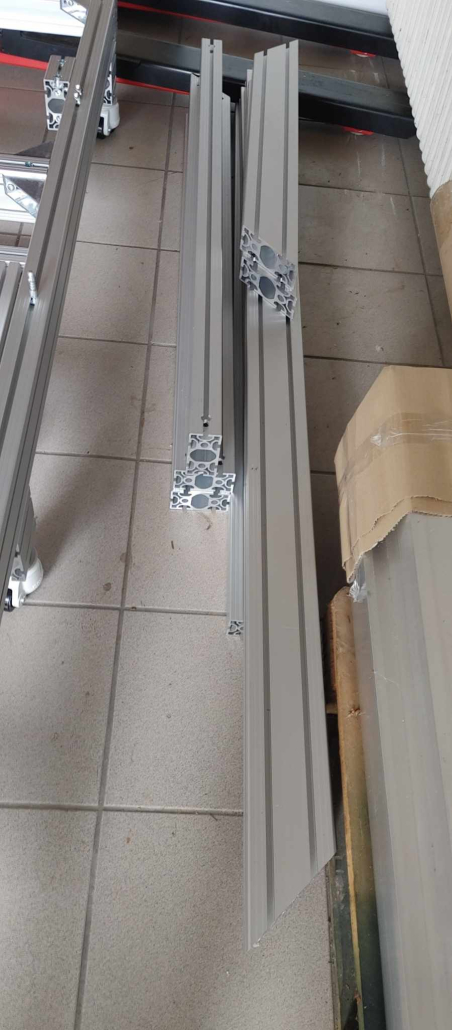
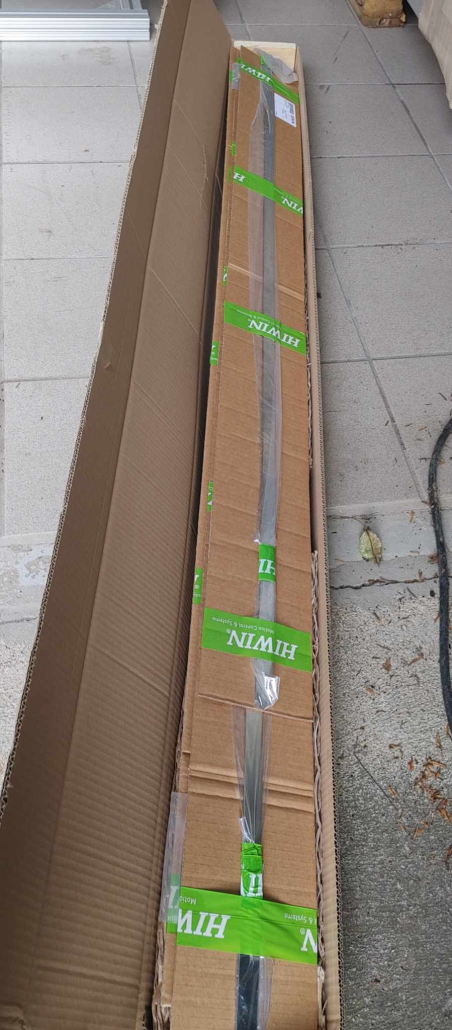
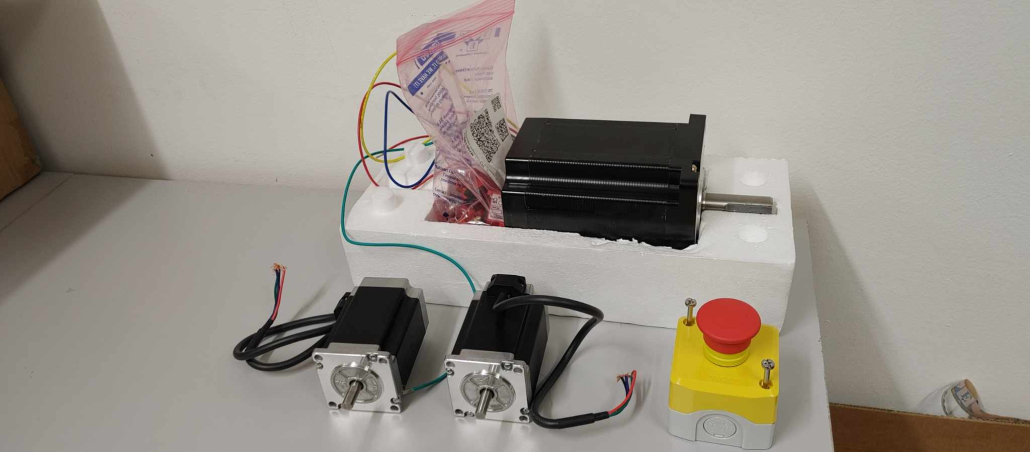
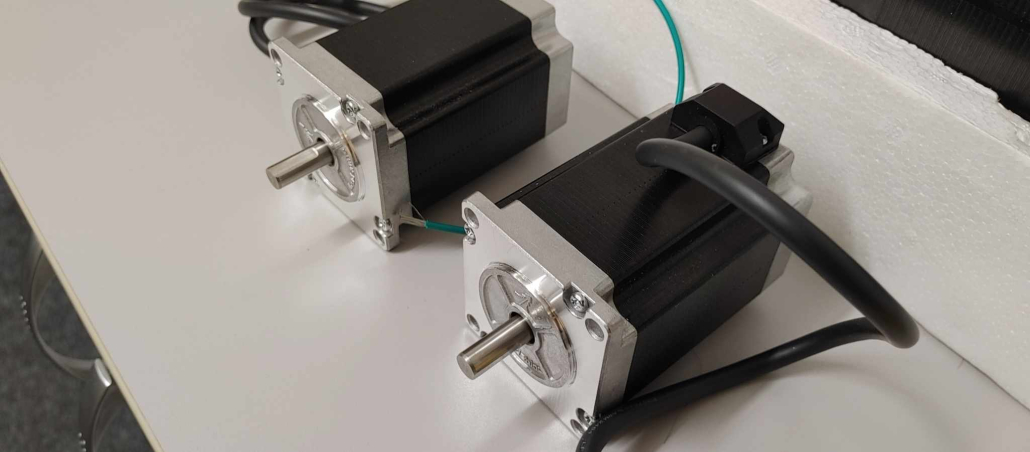
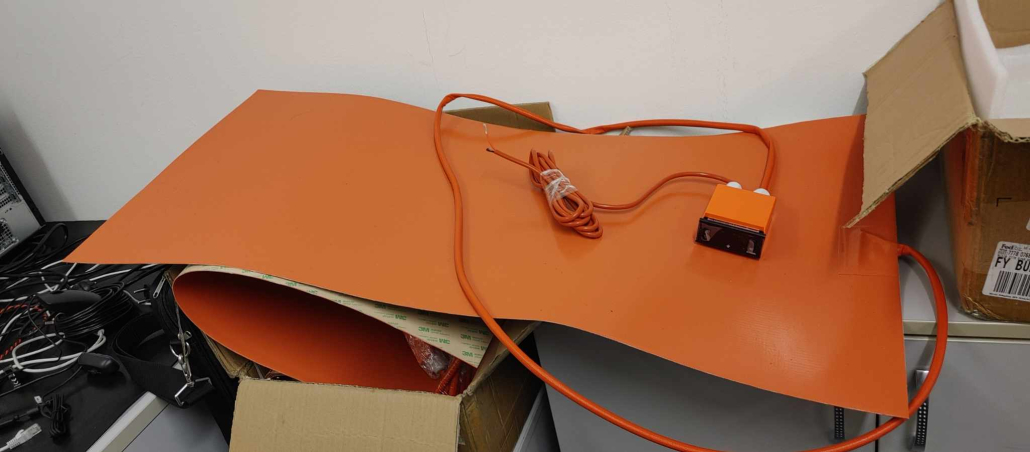
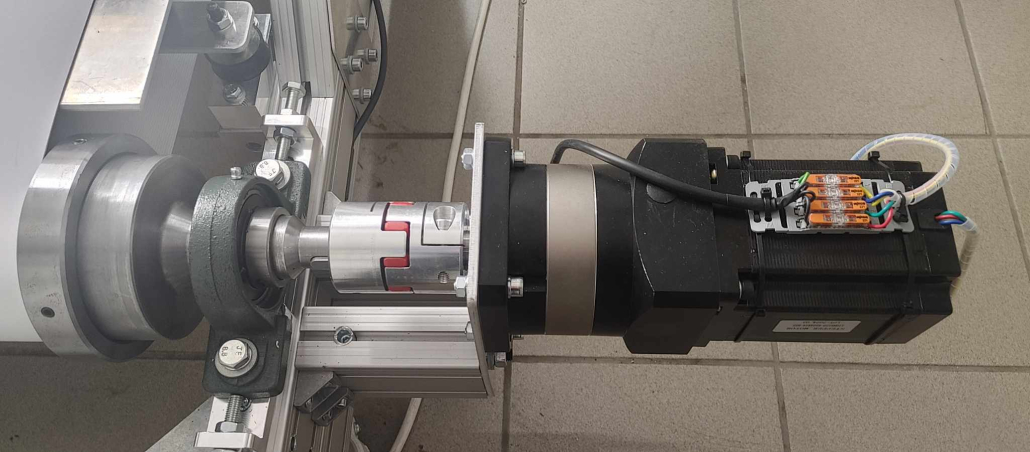
Once the contracts were signed, the procurement and production of components began. Commercially available components – such as motors, bearings and control units – were procured quickly, while the production of custom-designed components required greater flexibility and attention. Precision and material quality were the most important aspects in the production of custom parts.
Start assembly
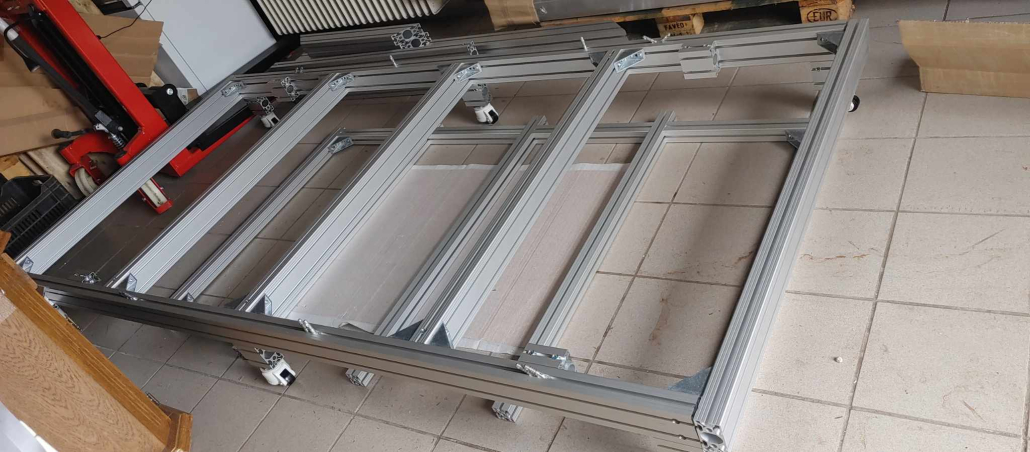
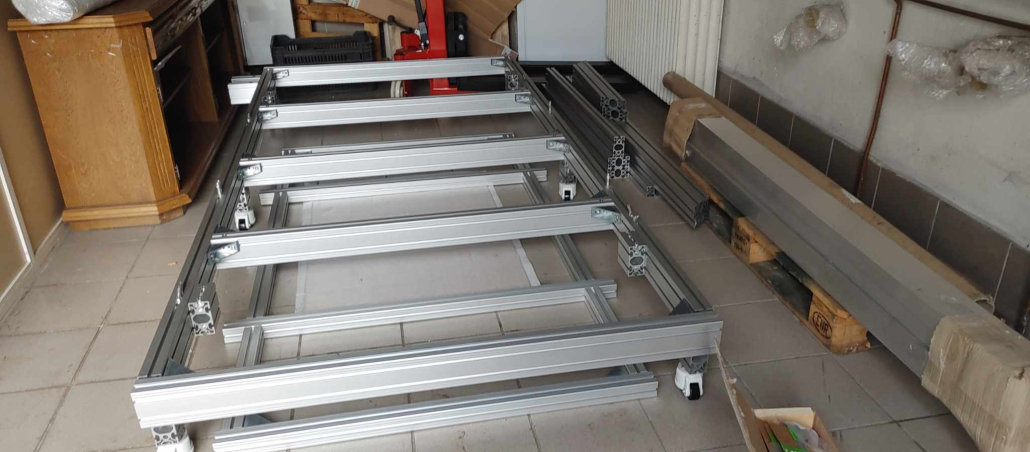
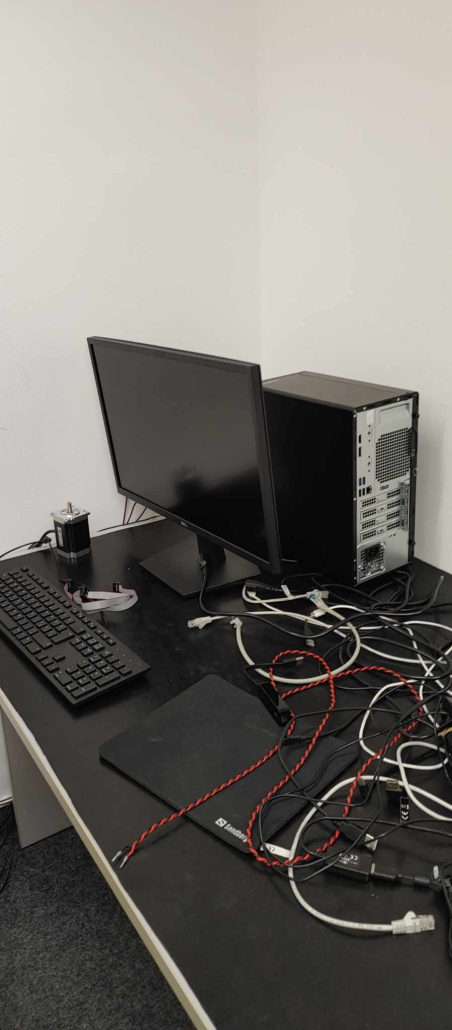
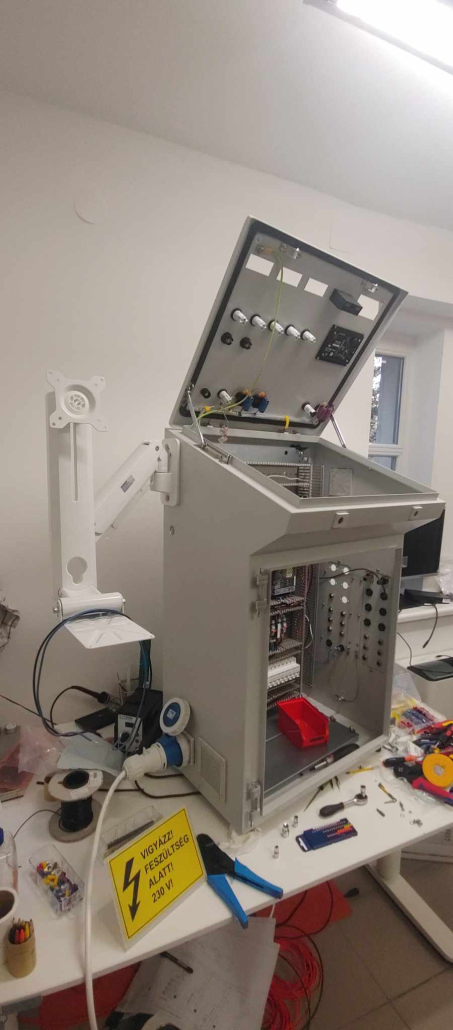
Once the parts arrived, the project moved into the assembly phase. The assembly of the mechanical structure was the centerpiece of the project, where each component was carefully fitted together. The assembly team worked closely with the designers to ensure that every detail fell into place.
Control software development
In parallel with the assembly, a software development company began designing the machine's control software. The software development was closely linked to the mechanical and electronic design of the machine, as the goal was to ensure that the hardware and software worked together perfectly. During the development of the algorithms, the engineers checked the operation of the system with simulations and made fine-tuning adjustments if necessary.
The construction phase had its own challenges. Issues that arose during assembly and testing required quick and creative problem-solving from the engineers. The close collaboration developed throughout the project allowed for issues to be addressed in a timely manner, with minimal delays to the project schedule.
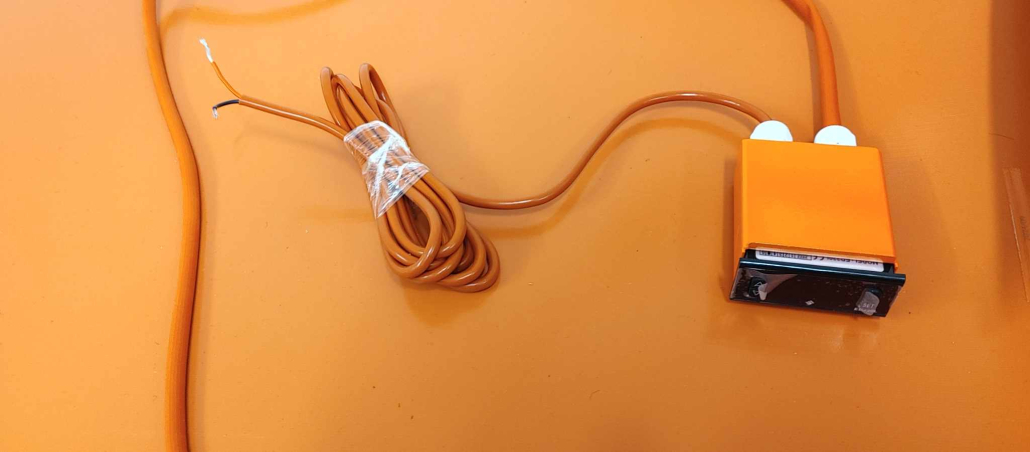
After assembly and integration of the control system, the machine will undergo initial testing. This step is crucial for troubleshooting and fine-tuning. This took place in the following weeks.
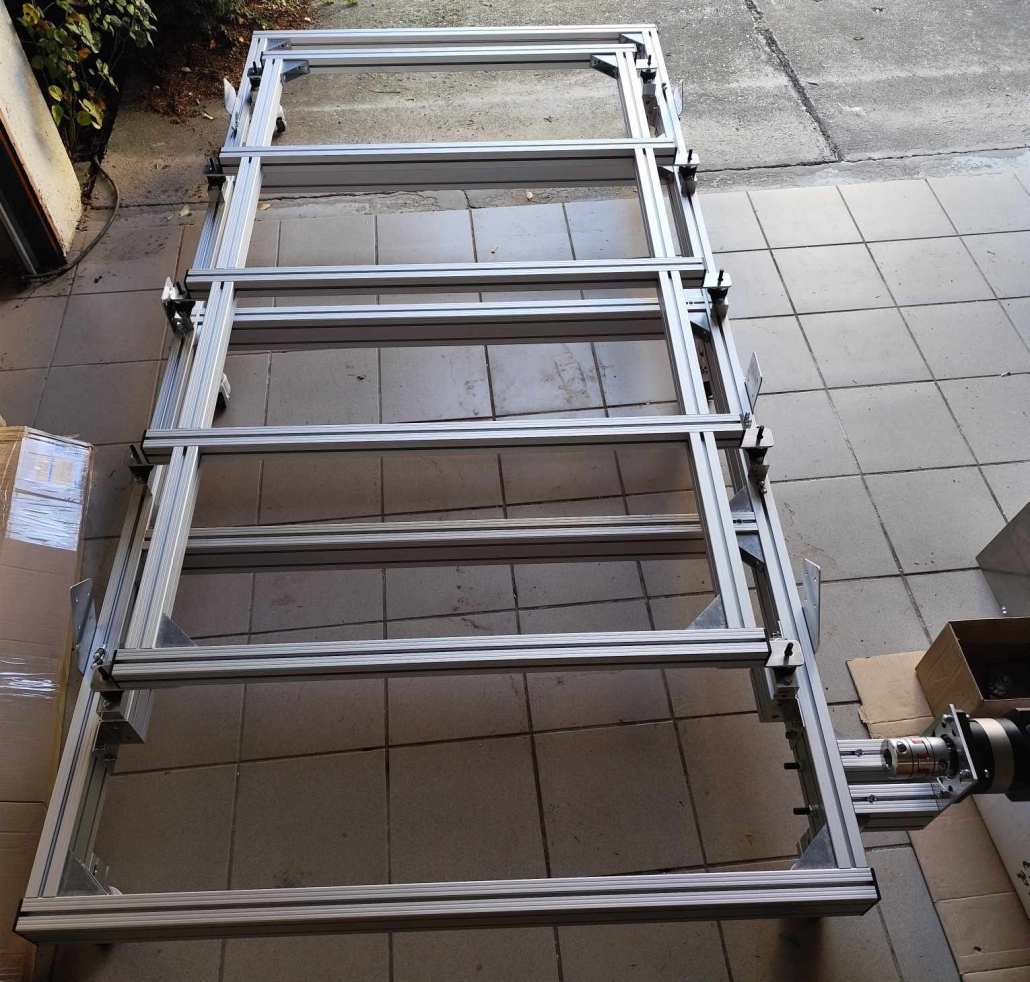
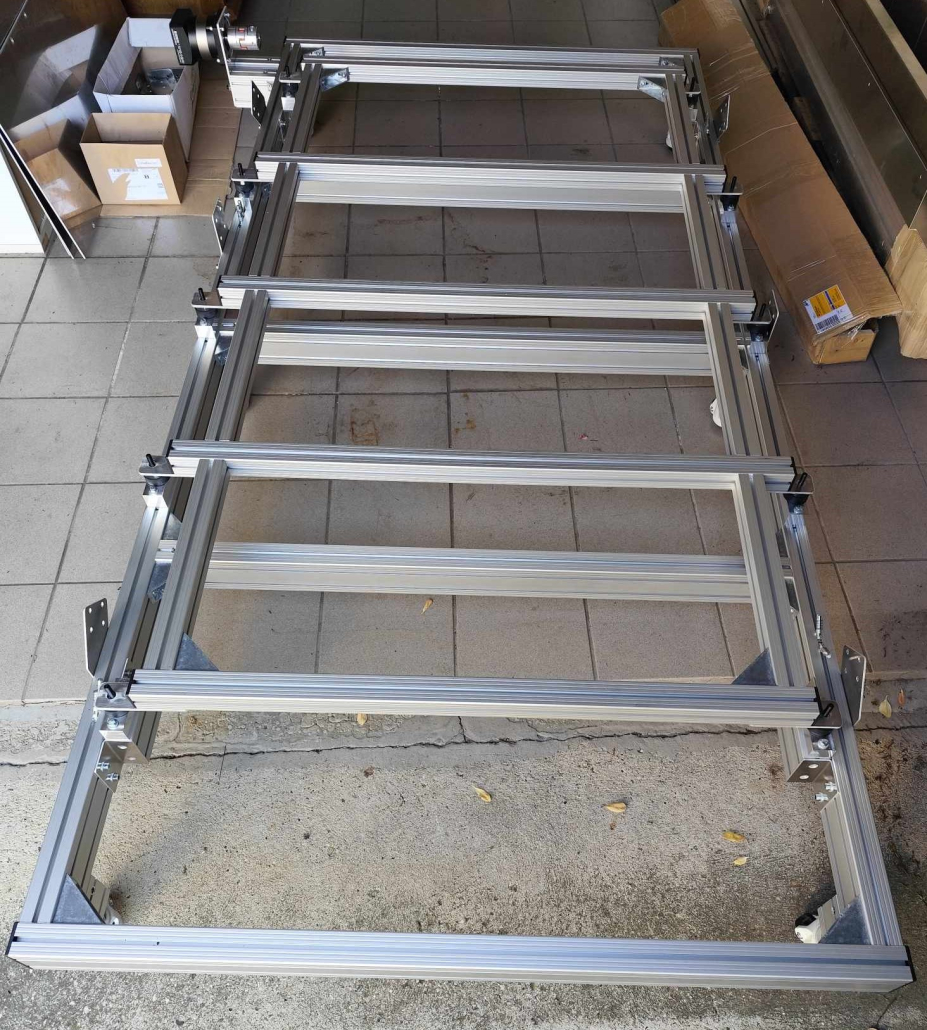
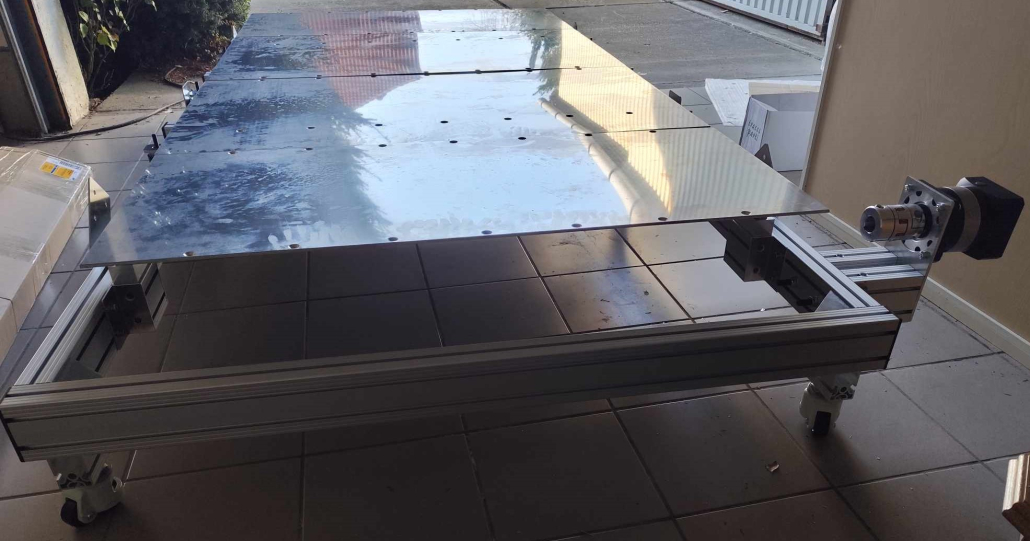
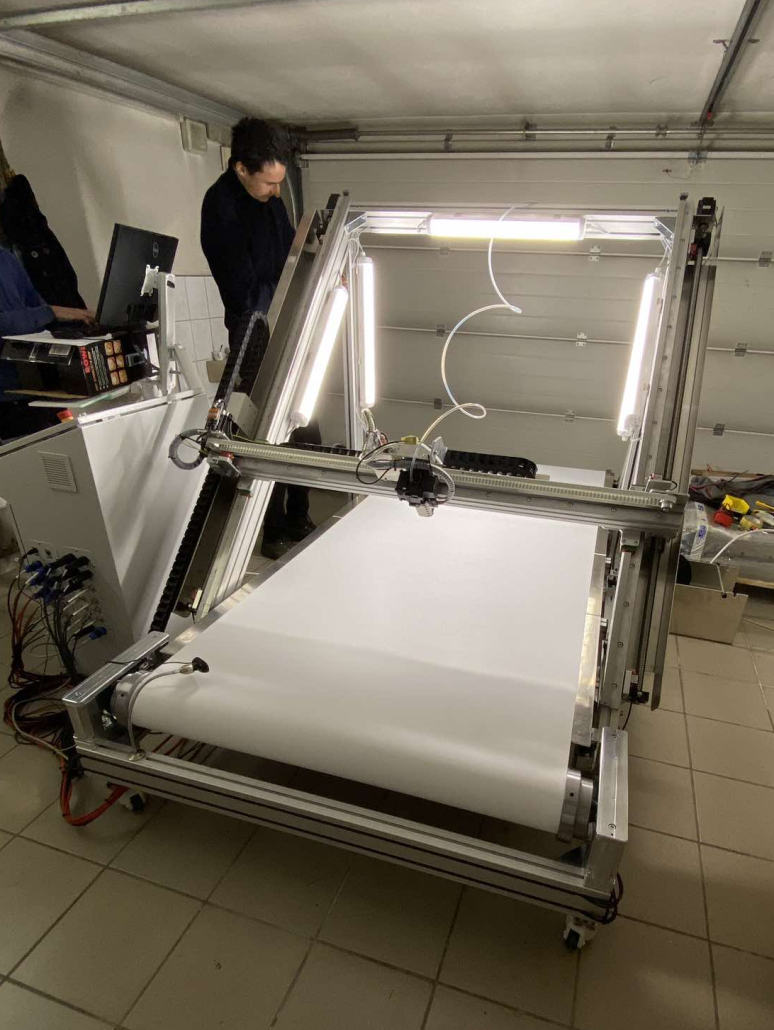
The process of implementing product development
3D printing of product prototypes
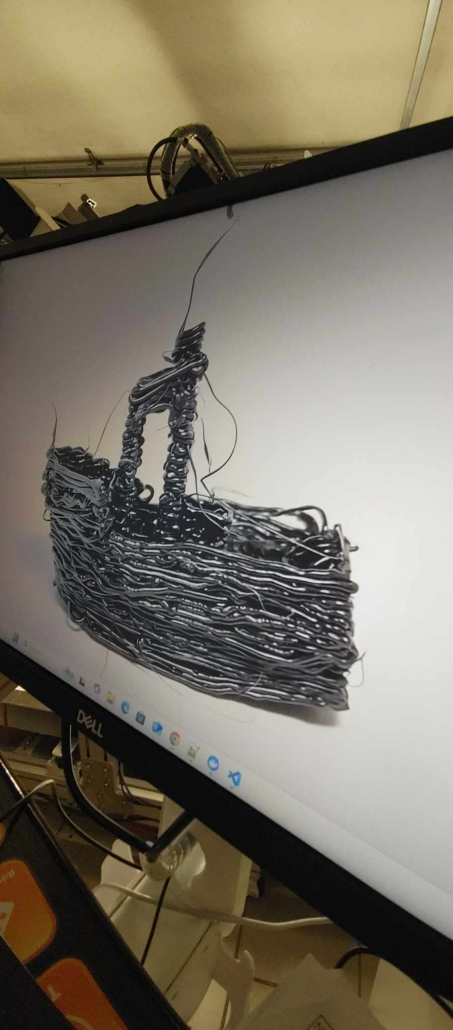
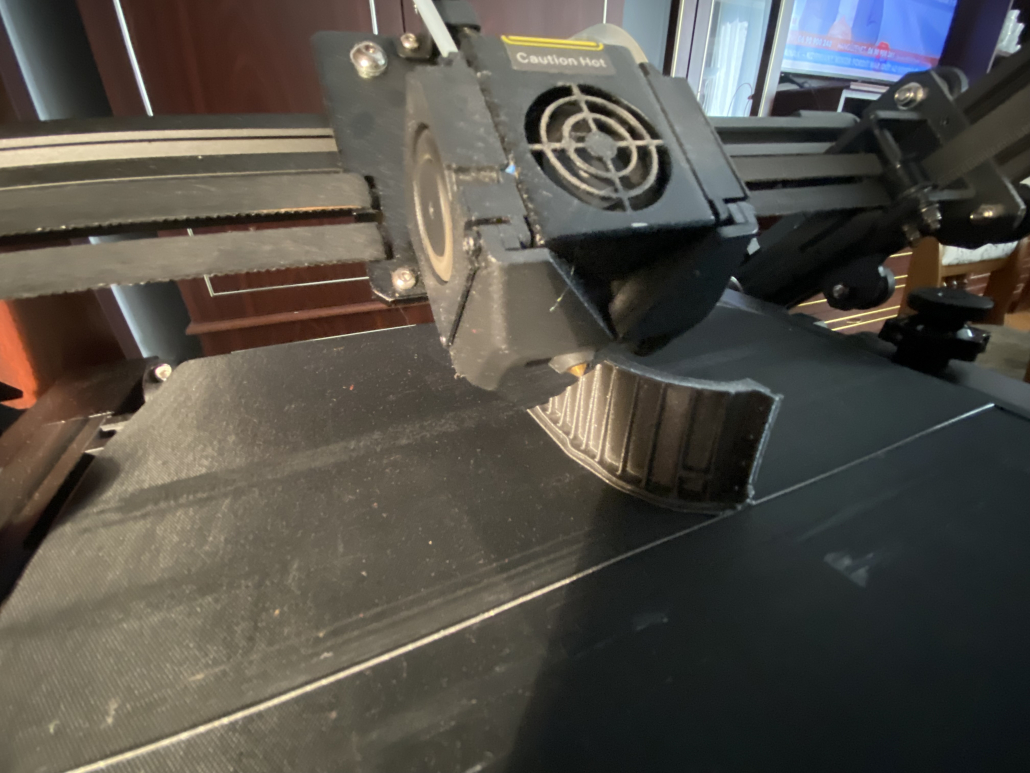
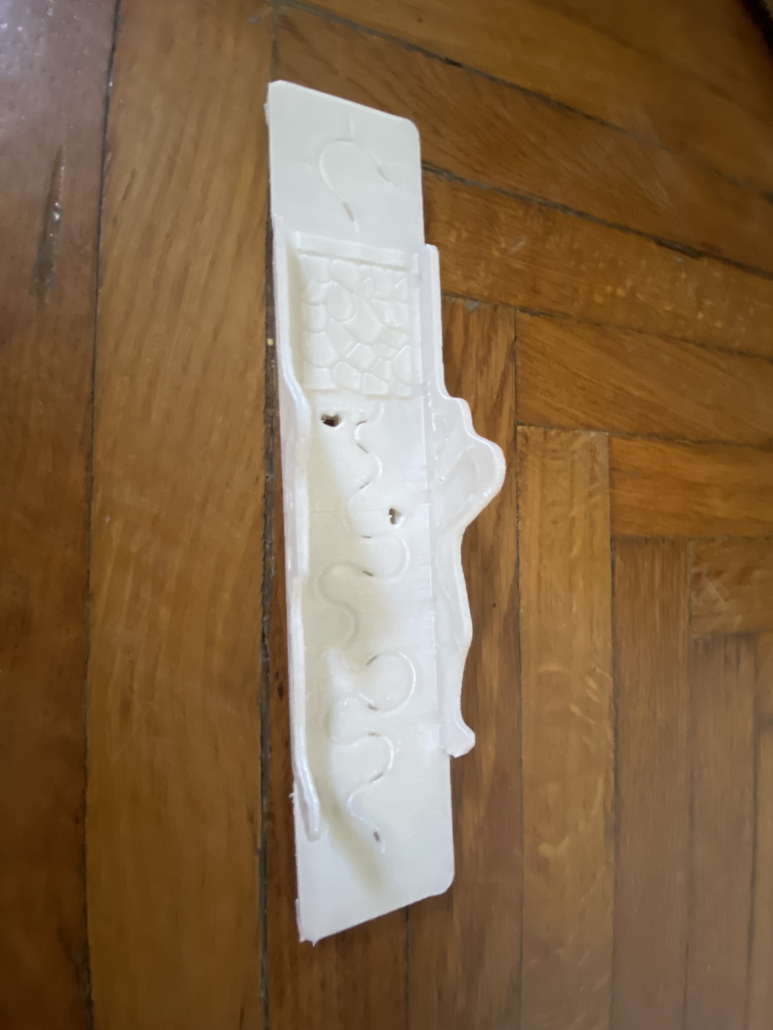
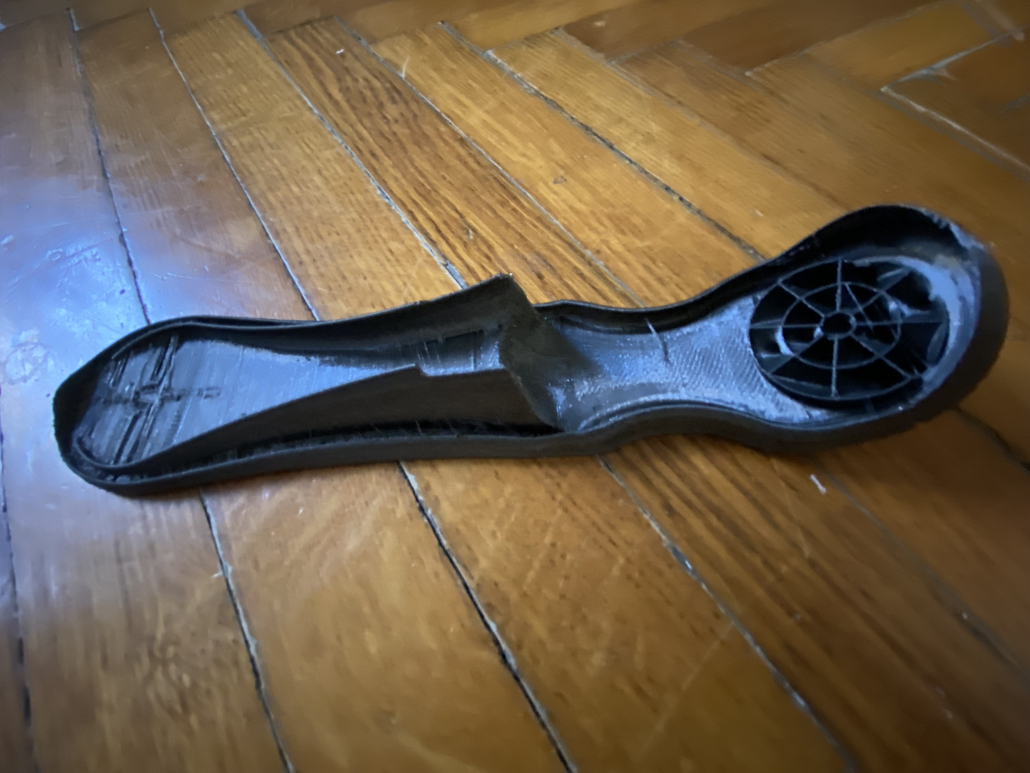
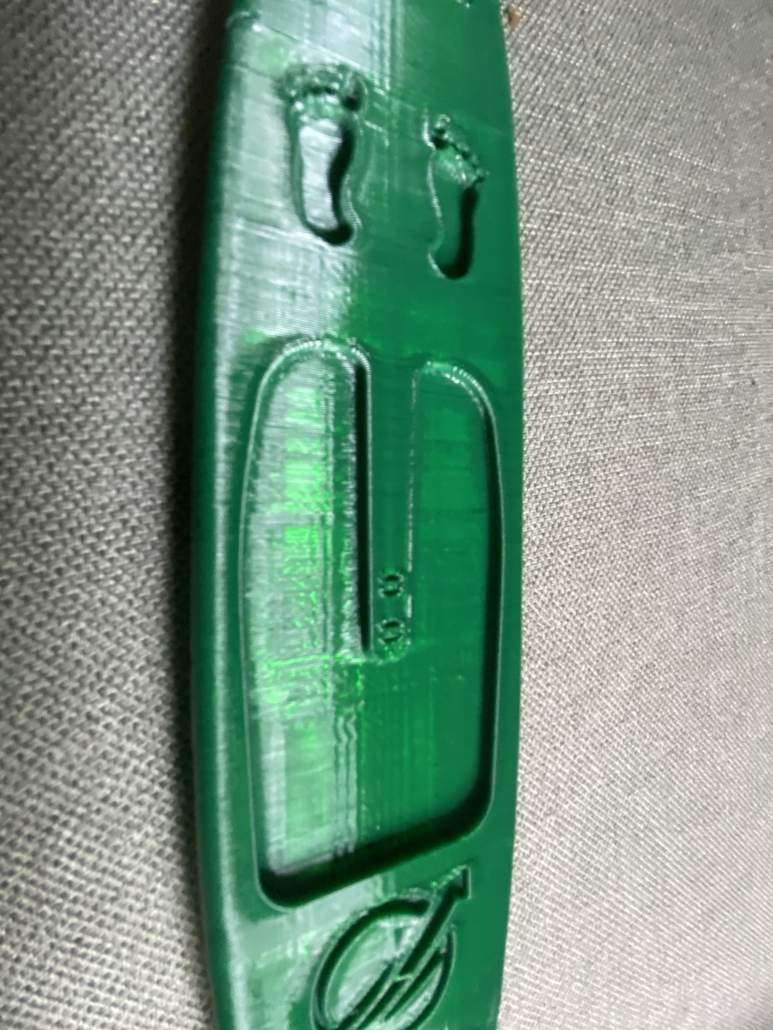
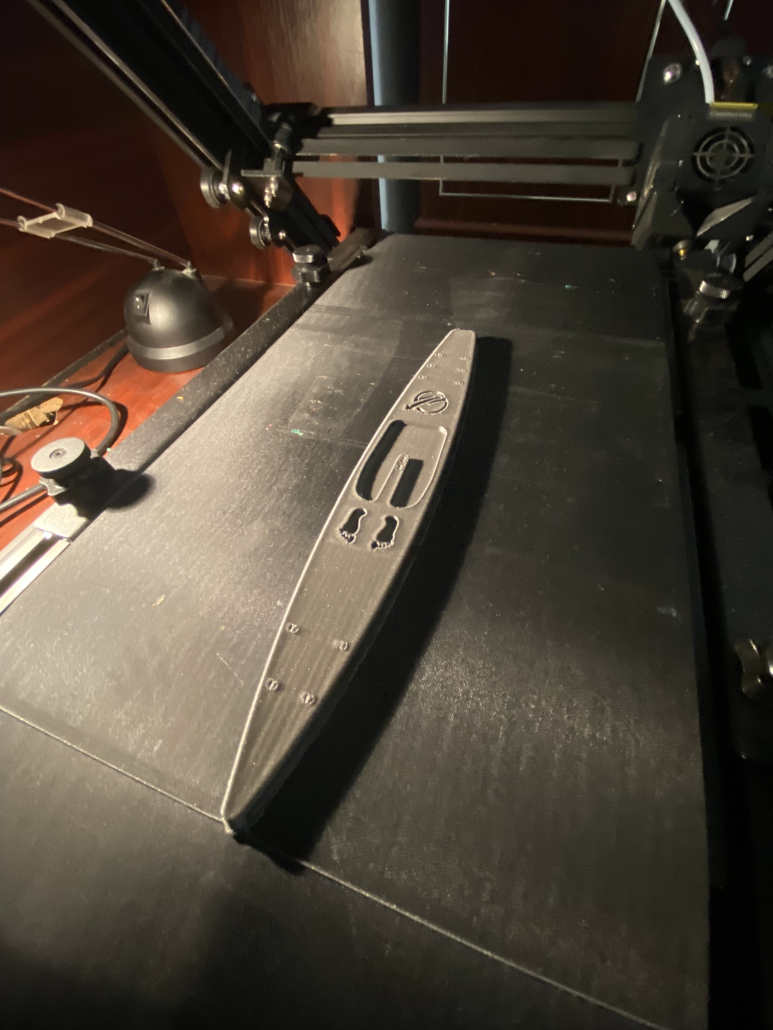
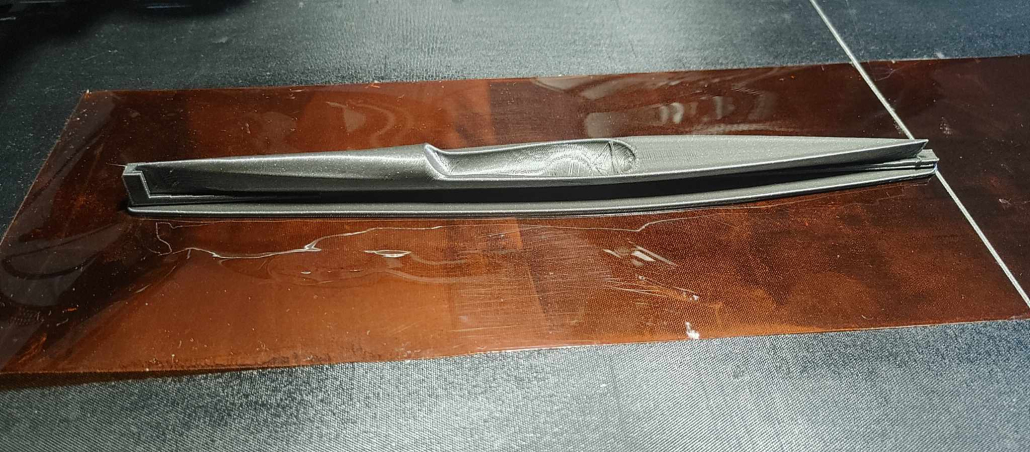
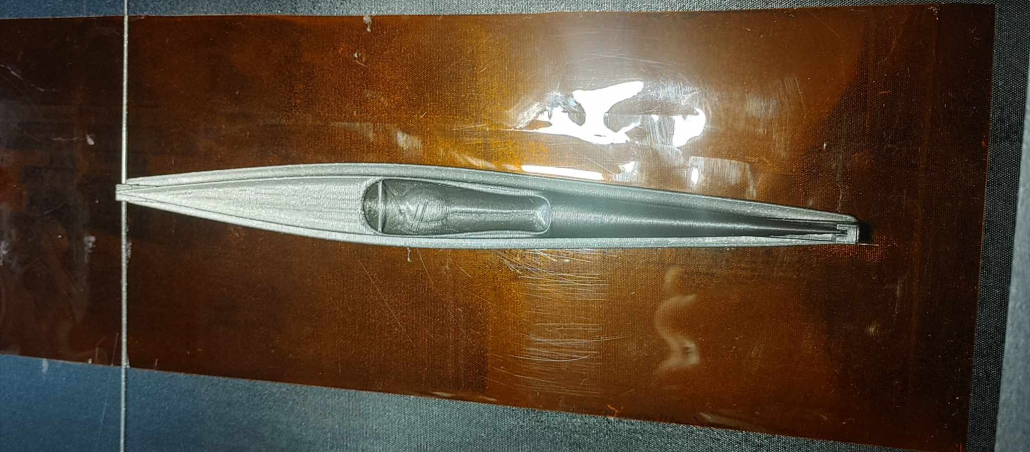
The first step was to approve the final version of the products. Then, we started 3D printing the product mockups. The goal was to print prototypes of the products at a small scale (1:16 scale) to make sure that the designed geometry could be printed easily. If problems arose during the printing of the mockups, the product was redesigned. Then, another mockup was printed to make sure that the change or changes made to the product were effective. This was an iterative process that was repeated until we got a suitable, high-quality print.
Process of recycling-related tests and experiments
Experimental experiences
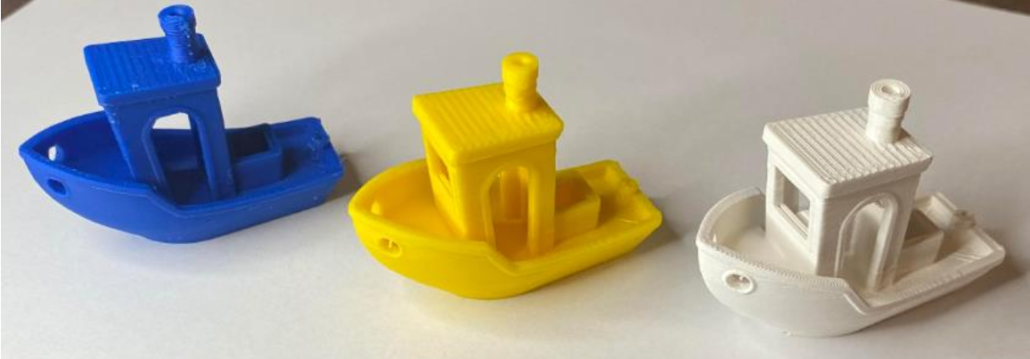
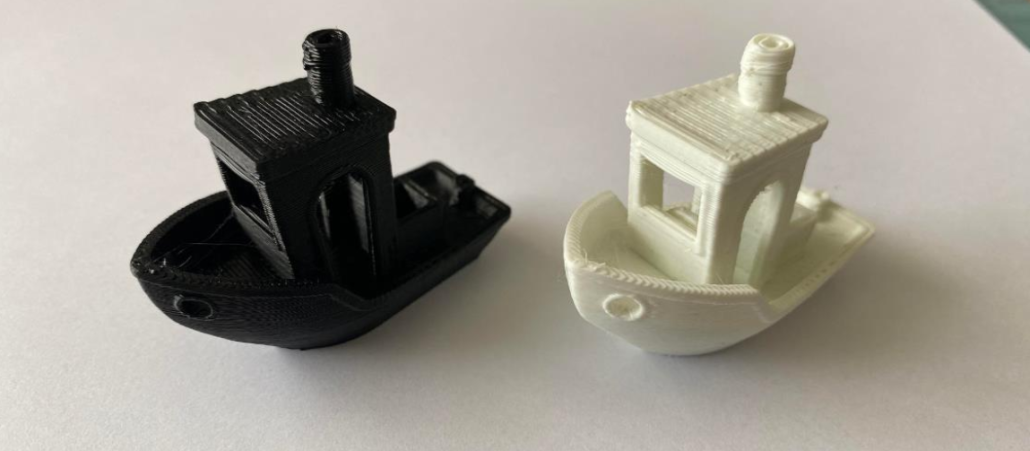
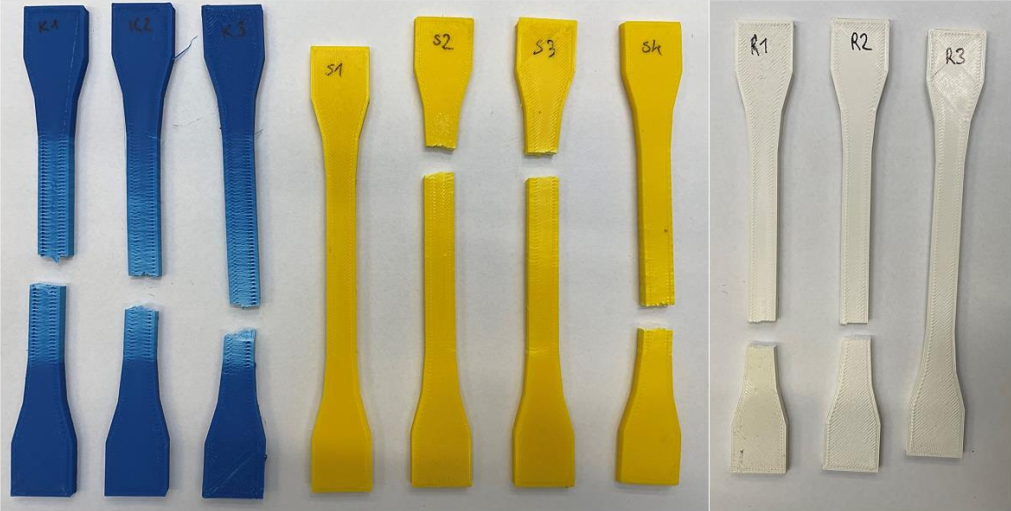
With the cooperation of the Department of Polymer Technology of the Budapest University of Technology and Economics, we performed several tests on the 3D printed test specimens and products. The measurements were performed on test specimens made of two primary materials, one refilamentated (reABS) material, and one primary PLA and one rePLA material.
Closing press release
G-MAX Europe Ltd. has won a grant of HUF 117,998,560 under the 2021-1.1.4-GYORSÍTÓSÁV call for proposals. The project, with a total cost of HUF 167,940,800 and identification number 2021-1.1.4-GYORSÍTÓSÁV-2022-00066, is entitled “Development of a modular 3D printer target machine”.
The company's goal was to develop a 3D printer with a 1 x 1 x 5 meter print space that would open up new possibilities for the production of large-scale products. The equipment not only responds to the needs for fast and cost-effective prototyping, but also takes sustainability into account, as it is also suitable for processing recycled polymer raw materials.
The Department of Mechanical and Product Design of the Budapest University of Technology and Economics played a key role in the implementation of the project, supporting the design, development and testing processes with its experience and expertise. Wavedrive Kft. participated in the implementation of the prototype and the construction.
The printer is currently in operational condition and is being used continuously by researchers for testing processes.
“In the next period, we plan to produce prototypes of the products developed within the framework of the tender on this machine. Initially, we will print the models in mock-up size for design and refinement purposes, and later we will produce them in 1:1 ratio, in real size, in order to fully exploit the large-scale printing capacity.” – stated Dr. Gotthard Viktor, one of the managing directors of G-MAX Europe Kft., and also the leader of the project entitled “Development of a modular 3D printer target machine”.
The 3D-MAX printer developed by G-MAX Europe Ltd. represents a unique innovation in the 3D printing market, as it is suitable for the production of large-scale objects, which has previously posed a serious challenge for the industry. This printer is capable of producing prototypes, models or final products of such size and complexity that previously required a multi-stage manufacturing process or the assembly of separate elements. 3D-MAX's unique technological solutions, such as the precise print head, not only reduce production time, but also increase cost efficiency.
3D-MAX effectively fills a gap in the market – the lack of large, fast and affordable 3D printers – enabling industries such as architecture, automotive and design to operate more flexibly and economically.
Further information is available at:
Dr. Viktor Gotthard, project manager
06-30-205-37-33; viktor.gotthard@g-max.hu
